Table of Contents
TL;DR — What is a Hammam? A hammam is a traditional Moroccan steam bathhouse where locals and visitors cleanse, exfoliate, and relax using black soap, a kessa glove, and mineral clay. It is a centuries-old social and spiritual ritual. Entry to a local hammam costs as little as 15–20 MAD (~$2), while a full luxury riad experience starts at 400 MAD (~$40) and can reach 1,500 MAD or more.
There are things you do on a trip to Morocco that you can photograph, and then there are things you simply feel. A hammam in Morocco belongs firmly in the second category. It is raw, primal, deeply human, and arguably the single most authentic cultural experience available to any traveler in this country.
Whether you’re being scrubbed down in a centuries-old neighborhood bath in the Fes medina, or lying on heated marble at the Royal Mansour while an attendant pours rose water over you from a hand-engraved silver bucket, the Moroccan hammam ritual leaves an impression on the skin and the soul in equal measure.
This guide is your complete handbook. We cover everything from what actually happens step-by-step inside, to the cultural etiquette that no other guide will tell you, to the exciting eco-hammam movement quietly reshaping sustainable travel in Morocco.
Traditional vs. Luxury: Which Hammam Experience Is Right for You?
Before you book anything, it helps to understand that not all hammams are the same. In Morocco, there are three distinct tiers, each offering a genuinely different experience.
| Feature | 🏛️ Local (Beldi) Hammam | 🌿 Tourist-Friendly | ✨ High-End Luxury |
|---|---|---|---|
| Price | 15–100 MAD | 150–400 MAD | 400–1,500+ MAD |
| Language | Darija / Berber | French / English | English, French, Spanish |
| Privacy | Communal (gender-separated) | Semi-private | Fully private suite |
| Products | Traditional savon beldi, kessa | Mix of traditional & branded | Organic, high-end lines |
| Atmosphere | Buzzing, social, authentic | Calm, welcoming | Silent, spa-like |
| Towels/Robe | No — bring your own | Sometimes | Always included |
| Best For | Cultural immersion, budget travelers | First-timers, couples | Honeymoons, special occasions |
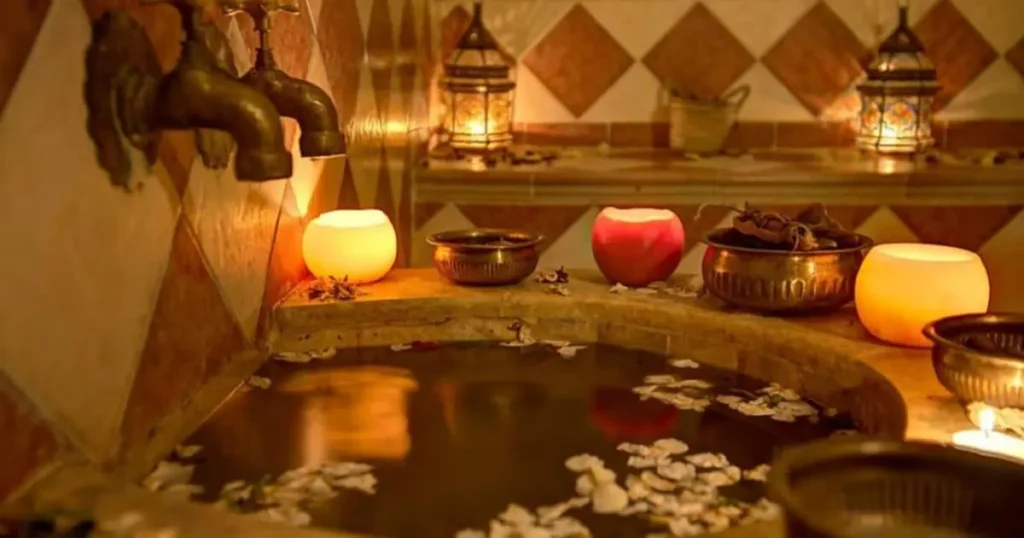
Our honest take: If this is your first time and the communal element feels daunting, start tourist-friendly. If you’re a seasoned traveler hungry for the real thing, don’t skip the local hammam. Nothing else comes close for authenticity, and the price-to-experience ratio is extraordinary.
The Step-by-Step Ritual: What Happens Inside a Moroccan Hammam?
The Moroccan wellness ritual follows a sequence that has remained essentially unchanged for centuries. Here’s exactly what to expect.
Stage 1: The Warm-up (The Steam Room)
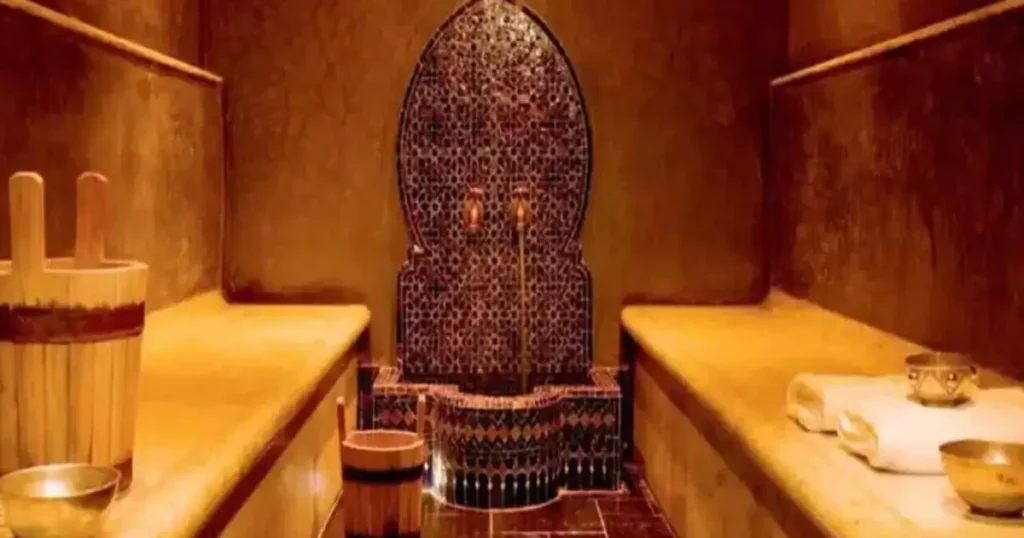
You begin in the beit el wastani, the intermediate warm room, before moving into the hot steam chamber. The heat is intense and intentional. It opens your pores, loosens muscle tension, and softens the skin’s surface layer in preparation for what follows. Spend 10–15 minutes here. Breathe slowly. Let the heat do its work.
Pro Tip: Drink water before you enter. The steam room is dehydrating, and many first-timers feel dizzy because they underestimate the heat.
Stage 2: The Application of Savon Noir
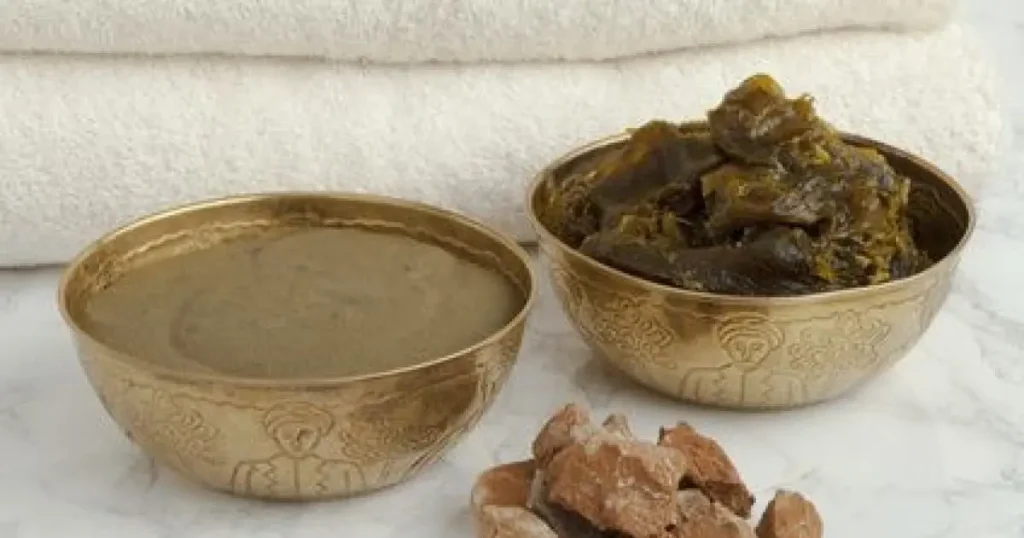
Once your skin is open and pores are ready, the attendant — known as a tayib — applies savon beldi, Morocco’s famous black soap. Don’t be misled by the name: it’s actually a dark olive-green paste made from fermented olive pulp and argan oil, harvested primarily along the Atlantic coast. It’s a natural cleansing soap that originates from the Atlantic Coast of Morocco. Travel Exploration left on skin for several minutes to loosen dead cells ahead of the main event.
Stage 3: The Gommage (Deep Exfoliation)
This is the signature act of the hammam spa Morocco experience. Using a rough, mitt-like glove called a kessa, the attendant scrubs your entire body in long, firm strokes. The results are visually dramatic: rolls of grey dead skin peel away to reveal a layer underneath that feels impossibly smooth and new.
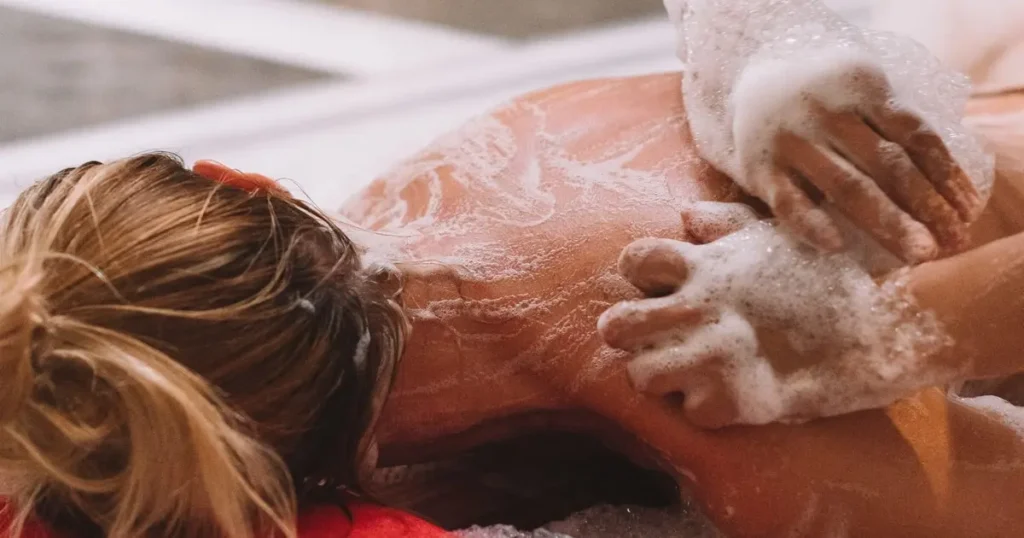
It is not entirely comfortable. It is also profoundly satisfying. Most people oscillate between wincing and laughing in disbelief. Both reactions are completely appropriate.
Stage 4: The Ghassoul Clay Mask & Rinse
The ritual concludes with rhassoul, a rare mineral clay mined in the Atlas Mountains of Morocco since the 8th century. Travel Exploration mixed with water and aromatic botanicals like rose petals, eucalyptus, or chamomile. It is rich in mineral salts and draws toxins to the skin’s surface, tightening pores and regulating sebum secretion, the Culture Trip. After the mask rinses away, often finished with an orange blossom water toner, you emerge into the cool room. You’re handed a towel, given mint tea, and left to exist in your extraordinarily soft new skin.
The “Hammam Kit”: Essential Items to Bring
If you’re heading to a local or mid-range hammam, pack these before you go. Luxury spas will provide most items, but it’s always worth confirming ahead.
- ✅ Kessa glove — Buy one in any medina souk for 10–20 MAD. Personal hygiene essential; never share.
- ✅ Savon beldi (black soap) — Available in every souk and most pharmacies. A small pot costs 10–15 MAD.
- ✅ Change of underwear — Essential for the transition out of the steam room.
- ✅ Plastic mat or flip flops — For local public hammams, rubber sandals or a small plastic mat is strongly recommended.
- ✅ Small towel — Local hammams do not provide towels. Bring two: one to sit on, one to dry off.
- ✅ 10–20 MAD tip in small change — Bring dirham coins/notes ready in your bag.
- ✅ Water bottle — Hydration throughout is essential.
- ✅ Ghassoul powder (optional) — Some visitors prefer to bring their own clay mask.
Cultural Etiquette: 5 Mistakes to Avoid
The hammam is a sacred social space in Moroccan culture. Going in without knowing the unwritten rules is the fastest way to make a bad impression — or to disrespect an institution that Moroccans hold genuinely dear.
1. Misunderstanding the nudity norms. In public hammams, women wear underwear bottoms and men wear boxers or swim shorts. Total nudity in a communal setting is generally considered inappropriate for visitors. In luxury spas, disposable underwear is almost always provided. When in doubt, ask before undressing.
2. Wasting water. Water scarcity is a serious and growing crisis in Morocco. Locals in a traditional hammam are extremely water-conscious. Don’t let taps run freely, don’t splash carelessly, and follow the lead of those around you. This is both a practical and deeply respectful act.
3. Using your phone in the bathing area. The hammam is a place of quiet social interaction — not content creation. Loud phone calls or photographing other bathers is considered a serious breach of respect. Leave the screen in your locker.
4. Skipping the pre-hammam rinse. A brief shower before the steam room is standard practice and a basic hygiene courtesy in all facilities.
5. Forgetting to tip — or tipping in foreign coins. Always tip in Moroccan dirhams. A tip for local bath service is 20–30 MAD; in a high-end spa, 50–100 MAD is the norm and genuinely appreciated.
Sustainability & The “Eco-Hammam” Movement
Here’s something most travel guides won’t tell you: the traditional hammam, for all its cultural beauty, carries a significant environmental footprint, and that’s now changing in fascinating ways.
Morocco has at least 12,000 hammams operating with wood-burning vernacular furnaces. Ecohammam A traditional hammam consumes on average 1.5 tons of wood and between 60 and 120 cubic meters of water per day, producing black smoke, ash, and wastewater. The UN climate change conference COP22, held in Marrakech in 2016, highlighted hammams as major contributors to air pollution, deforestation, loss of ecosystems, water overconsumption, and wastage in Morocco. MDPI
That’s the uncomfortable truth. But it’s also the starting point for an exciting story.
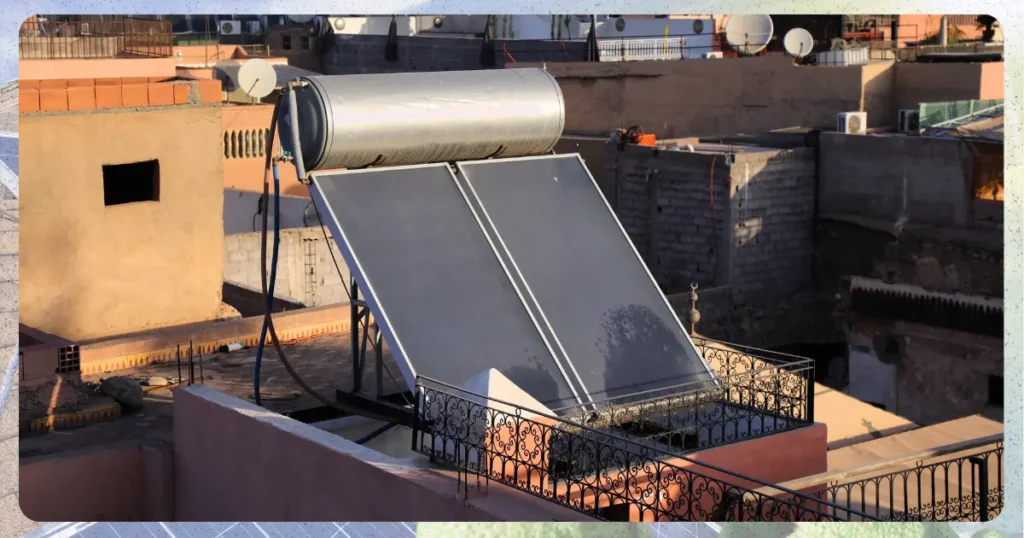
Enter the Eco-Hammam movement. Researchers at Cardiff University, working alongside Morocco’s National Agency for Energy Efficiency (AMEE) and local hammam owners, launched a multi-year initiative to accelerate what they call the “ecological transition” of Morocco’s hammam sector. The solutions being piloted and implemented include:
- Solar-biomass hybrid heating systems — In tested Marrakech installations, combined solar and biomass systems may result in significant energy savings and CO₂ emission reductions as well as limited deforestation in Morocco. ScienceDirect One optimized system achieved a solar fraction of 57% with up to 234 tons of CO₂ emissions avoided. ScienceDirect
- High-efficiency biomass boilers — Using locally produced biomass products such as residues from olive or argan oil presses Ecohammam rather than cut firewood.
- Greywater recycling systems — Treating and reusing hammam wastewater for irrigation and sanitation, dramatically cutting freshwater demand.
- Natural daylight upgrades — Reducing air pollution caused by traditional hammam furnaces and improving the economic sustainability of hammams by reducing their running costs of fuel, water, and electricity. Cardiff University
What can you do as a traveler?
Ask before you book whether a hammam uses solar heating, water recycling, or organic local products. The question itself sends a signal. Support riads with explicit sustainability commitments. Use water mindfully. Choose establishments sourcing Moroccan-made savon beldi, ghassoul clay, and argan oil over imported synthetic spa products.
Choosing where you spend your hammam dirham is, genuinely, a vote for the kind of Morocco that endures.
Best Hammams in Morocco by City
🌹 Marrakech — The Best Hammams in Marrakech
Marrakech offers the widest range of hammam spa Morocco options for international visitors, from ancient medina baths to palatial hotel spas.
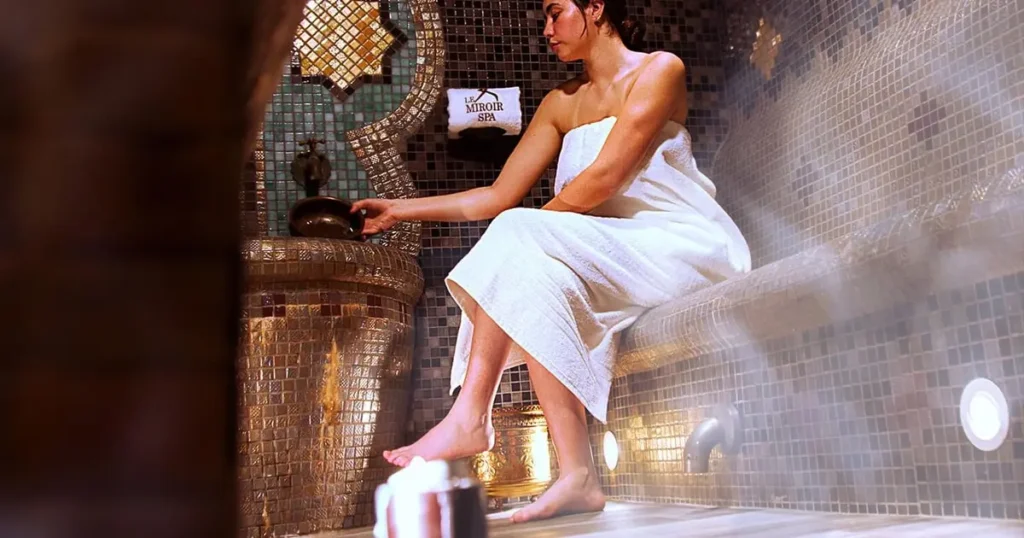
- Hammam Mouassine (Traditional/Beldi), Established in 1562, this is the oldest and most revered traditional hammam in the Medina. Away With The Steiners is still used daily by locals. Raw, authentic, and utterly free of tourist theater. Entry: ~20 MAD.
- Les Bains de Marrakech (Mid-Range), located in Marrakech’s historic Kasbah district, Les Bains de Marrakech has established itself as one of the city’s most respected private hammams.
- La Mamounia Spa (Luxury) — Having received several awards, including best hotel spa in the world by Condé Nast Readers’ Spa Awards, the spa treatments here certainly live up to the reputation.
- Royal Mansour Marrakech (Ultra-Luxury) — Bathers lie on the warm marble floor and are doused with water from hand-engraved silver buckets. The Culture Trip The signature rhassoul scrub blends rose, basil, chamomile, eucalyptus, lavender, and argan powder. Treatments 1,400–3,200 MAD. Pre-booking essential.
- Hammam de la Rose (Mid-Luxury) — Tucked away in the heart of Marrakech, it’s a slice of history doused in luxury Desertmerzougatours — a beautiful blend of tradition and reliably excellent service.
🕌 Fes — Most Authentic Hammam Experience
Hammams in Fes are generally cheaper than in Marrakech, and the experience is authentic; the service is great. Travel Morocco Today. The ancient medina gives every visit a feeling of genuine time travel.
- Les Bains Amani (Palais Amani) (Luxury) — A luxurious hammam known for high-end products, exquisite service, and impeccable treatments. Travel Morocco Today. The traditional experience begins with a rose water hand-and-foot bath and ends with homemade lemonade in an enchanting relaxation room.
- Riad Fes Spa (Luxury) — Signed by the prestigious Les Cinq Mondes brand, this sanctuary offers an elevated approach to traditional wellness, Travel Exploration with a signature black-soap and olive oil scrub perfected through years of expertise.
- Nausikaa Hammam & Wellness Centre (Mid-Range) — An upmarket option in the new city with private bathing areas, rose water treatments, and trained French spa staff.
💙 Chefchaouen — The Intimate Choice
The Blue City’s hammam scene is small and unhurried, which is precisely the point. Hammam Bab Souk, near the main market, is a traditional local bath used daily by residents. Entry around 15 MAD, zero tourist theater, and the steam somehow feels crisper at altitude. Several riads in Chefchaouen also offer private hammam suites using ghassoul sourced from the nearby Rif Mountains — a lovely regional variation.
🏙️ Casablanca — Modern Moroccan Wellness
Morocco’s commercial capital is home to several excellent modern wellness facilities. The luxury hotel spas at the Sofitel, Hyatt, and Four Seasons Casablanca all offer professional hammam treatments merging Moroccan ritual with international spa standards, ideal for business travelers or brief stopovers.
Frequently Asked Questions
Do I have to be completely naked in a Moroccan Hammam? In public hammams, women usually wear underwear bottoms, and men wear boxers or shorts. In luxury spas, disposable underwear is often provided. Total nudity is generally culturally inappropriate.
How much does a hammam cost in 2025? A local neighborhood hammam entry is 15–20 MAD (~$2). A full scrub from an attendant runs 50–100 MAD. Luxury riad experiences start at 400 MAD (~$40) and can reach 1,500 MAD or more.
How much should I tip the hammam attendant? For standard service in a local bath, 20–30 MAD is appreciated. In a high-end spa, 50–100 MAD is standard.
Can I go to a hammam if I have a sunburn or sensitive skin? Not recommended. The kessa glove is highly abrasive and will irritate sunburned or sensitive skin. Wait at least 48 hours after significant sun exposure.
Is the water in Moroccan hammams safe and clean? Yes. Reputable hammams follow strict hygiene protocols. Public hammams use boiling-hot water from a central furnace (farnatchi), which is traditionally considered purifying. Always bring your own kessa glove and never share personal scrubbing tools.
Ready to Experience Morocco’s Greatest Ritual?
A hammam in Morocco is not an add-on or an afternoon detour. Done properly, it is a complete reset, physical, mental, and cultural. It is one of the few travel experiences that genuinely closes the gap between visitor and local. The steam room cares nothing for your passport.
At Desert Merzouga Tours, every itinerary we craft, whether it winds through the Sahara dunes, the High Atlas, or the medinas of Fes and Marrakech, includes thoughtfully chosen hammam experiences tailored to your comfort level and curiosity. We’ll connect you with the right bath, prepare you with everything you need to know, and let the ritual do the rest.
Explore Morocco with us. Your skin — and your soul — will thank you.