Table of Contents
Traditional Moroccan Food: A Culinary Journey Through the Maghreb
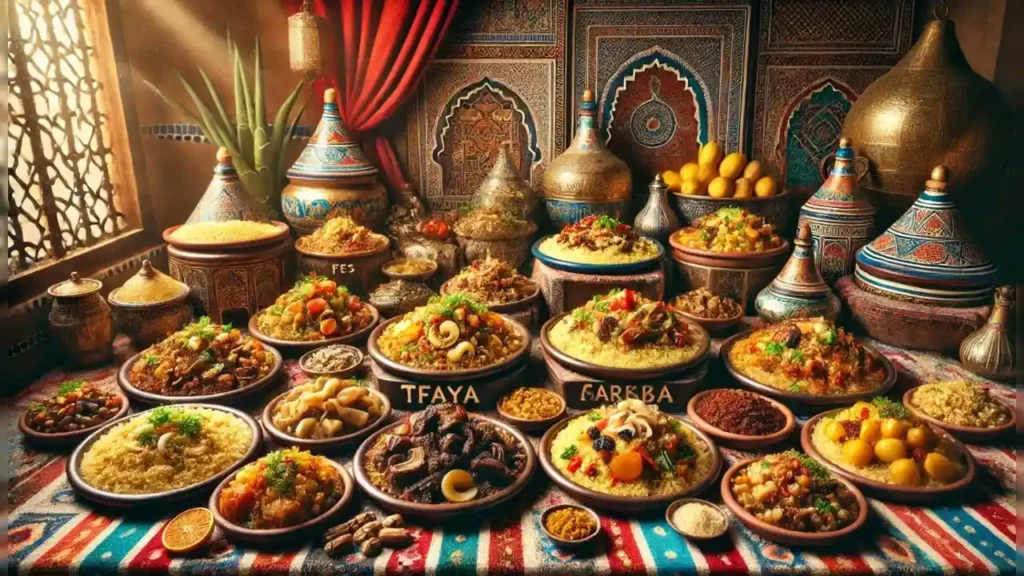
Moroccan food is one of the world’s most complex and captivating cuisines, a living tapestry woven from Berber, Arab, Andalusian, and Mediterranean influences that has evolved over more than a thousand years. It is defined by slow-cooked tagines perfumed with warm spices, golden couscous piled high with slow-braised vegetables, and the ritual of sweet mint tea shared between host and guest. To eat Moroccan food is not simply to dine; it is to participate in a centuries-old act of hospitality and cultural identity.
Quick Facts: Moroccan Cuisine at a Glance
| Category | Detail |
| Primary Cookware | Tagine (conical clay pot), Couscoussier (double steamer) |
| Signature Spice Blend | Ras el Hanout (12–30 spices) |
| National Staple | Couscous, served every Friday as a family ritual |
| Iconic Street Food | Snails (Ghlal), Msemen flatbread, Maakouda potato fritters |
| Key Flavor Profile | Aromatic & savory-sweet, not hot-spicy |
| UNESCO Heritage | Couscous recognized as Intangible Cultural Heritage (2020) |
| Best Food Cities | Fez (Bastilla), Marrakech (Tanjia), Essaouira (Sardines) |
Whether you are planning your first trip to Morocco with Desert Merzouga Tours, or you simply want to understand what to order when you arrive, this guide covers every essential dish, regional specialty, spice, and dining custom you need to know. Let’s begin.
The ‘Big Five’ Essential Dishes of Traditional Moroccan Food
No exploration of cuisine Morocco is complete without mastering these five foundational dishes. They appear on every family table, in every riad restaurant, and in nearly every celebration across the kingdom.
1. Tagine — The Icon of Moroccan Cooking
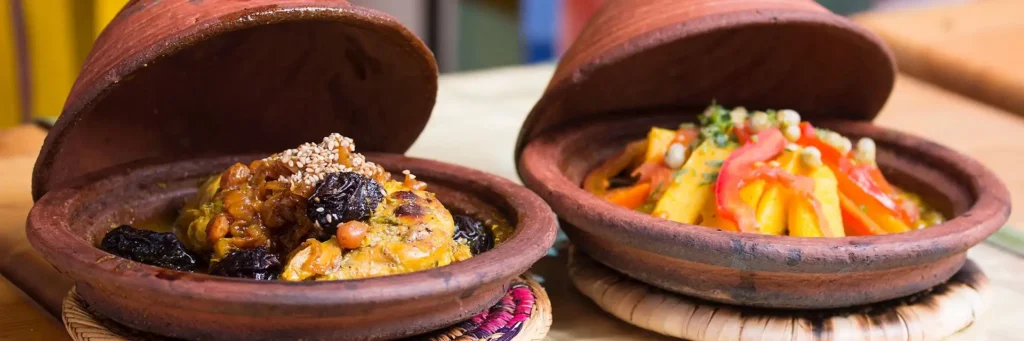
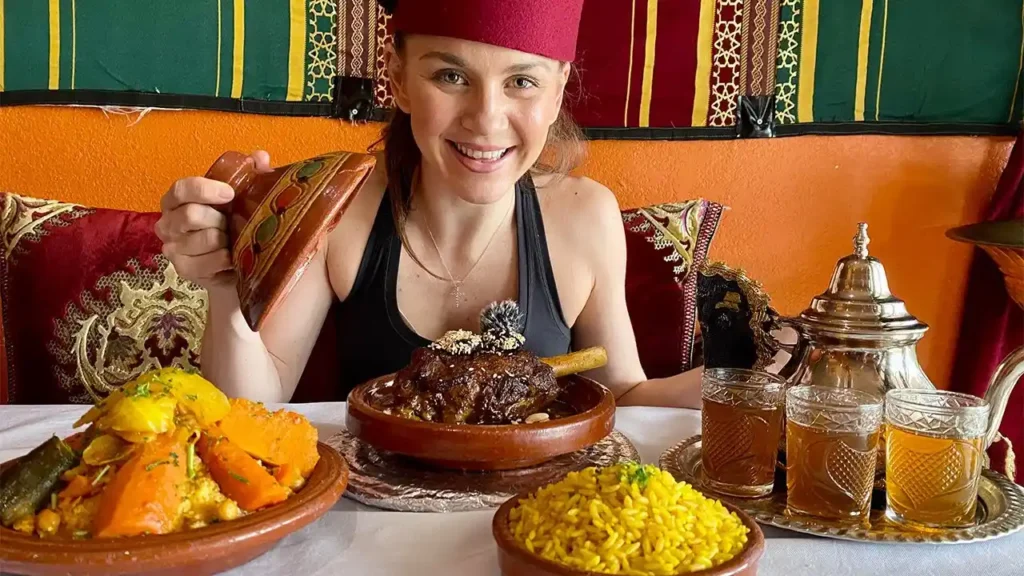
The word ‘tagine’ refers to two things simultaneously: the distinctive conical clay pot used for cooking, and the slow-braised stew it produces. The pot itself is an engineering marvel; its tall, conical lid traps steam, which condenses and drips back down over the ingredients, creating an incredibly moist, tender result using minimal liquid. This is crucial in a country where water has historically been precious.
The most celebrated versions include Lamb Tagine with Prunes and Toasted Almonds (a savory-sweet masterpiece from Marrakech), Chicken Tagine with Preserved Lemons and Green Olives (a bright, tangy preparation common across the north), and Kefta Tagine with Eggs and Spiced Tomato Sauce (a rich, hearty favorite for breakfast or lunch). When you eat an authentic tagine in Morocco, you will notice that the ingredients are layered, with tougher root vegetables at the bottom, delicate proteins on top, and seasoned with a precise blend of cumin, ginger, coriander, and turmeric.
At Desert Merzouga Tours, cooking class experiences in Marrakech and Fez give you the chance to prepare a tagine from scratch under the guidance of a local chef, one of the most memorable ways to connect with Moroccan culture.
2. Moroccan Couscous — The Friday Ritual
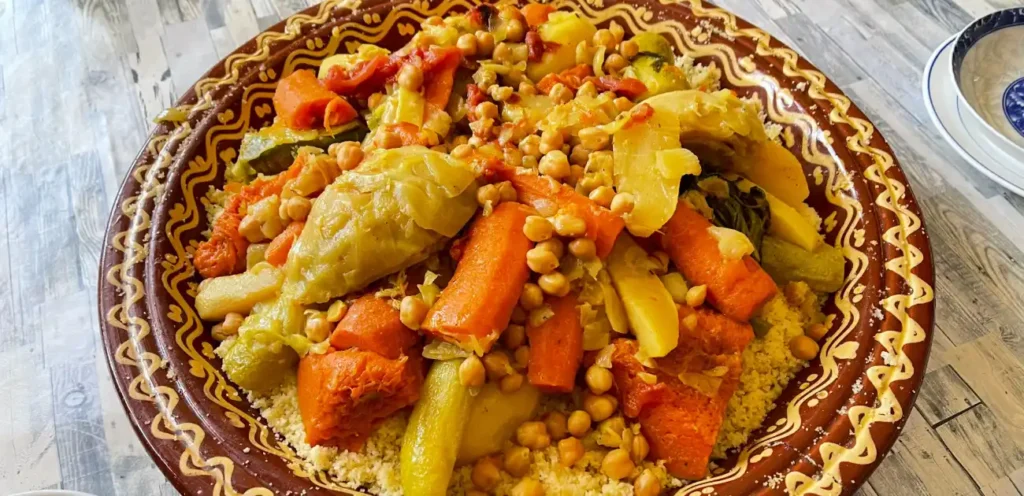
Moroccan couscous is not merely pasta; it is a social institution. Every Friday after the midday prayer, families across Morocco gather around a communal platter of hand-rolled couscous steamed three times in a couscoussier, served with a rich broth of seven vegetables (onion, carrot, turnip, zucchini, pumpkin, cabbage, and tomato) and your choice of lamb, chicken, or chickpeas. This weekly ritual is so deeply embedded in Moroccan identity that UNESCO recognized couscous as part of the Intangible Cultural Heritage of Humanity in 2020.
Moroccan couscous varieties vary by region: in Fez, you will find sweet couscous topped with caramelized onions, raisins, and cinnamon (Couscous Tfaya); in the south, it is often served with dried fruits and honey during celebrations. Do not leave Morocco without sitting down to a proper Friday couscous, ideally in a family home or a traditional riad.
3. Moroccan Bastilla — The Savory-Sweet Masterpiece from Fez
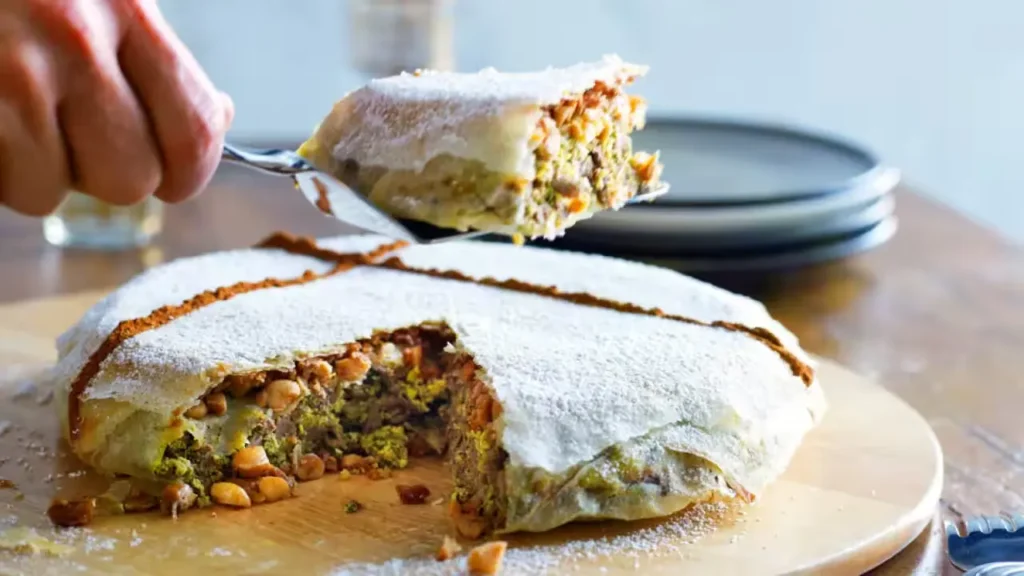
Bastilla (also spelled Pastilla or B’stilla) is arguably the most sophisticated dish in the Moroccan culinary repertoire, and Fez is rightly considered its capital. At its heart, it is a layered pie built from gossamer-thin sheets of warqa pastry (similar to phyllo), encasing slow-braised pigeon or chicken that has been shredded and mixed with eggs, cinnamon, and saffron. The entire pie is then sealed, baked until golden, and dusted with powdered sugar and cinnamon.
The combination of savory, floral, and sweet in a single bite is unlike anything else in world cuisine. At formal celebrations, weddings, Eid dinners, or diplomatic feasts, a large Bastilla often arrives as the opening course. Today, many restaurants also offer seafood Bastilla (filled with shrimp and vermicelli), which is especially popular in coastal cities like Casablanca and Essaouira.
4. Harira Soup — The Soul of Ramadan
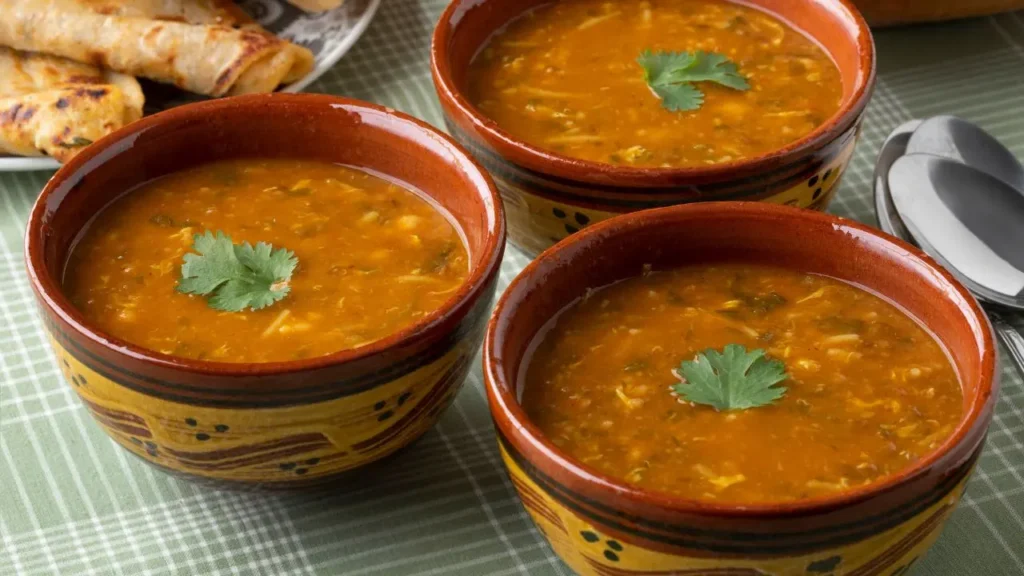
Soup harira is the dish that defines the breaking of the Ramadan fast (Iftar) across Morocco. This deeply nourishing, tomato-based soup is thickened with flour or a beaten egg, enriched with lamb or beef, and perfumed with fresh coriander, celery, lemon, and a distinctive spice mix that always includes cinnamon and ginger. Chickpeas and lentils provide body and sustenance after a long day of fasting.
The moment the cannon fires or the Adhan rings out at sunset during Ramadan, every Moroccan table will have a bowl of steaming harira waiting, accompanied by dates, honey-dipped Shebbakia pastries, and hard-boiled eggs. Even outside of Ramadan, harira is served year-round, especially in the colder months, as a starter at most traditional restaurants. It is warm, restorative, and unmistakably Moroccan.
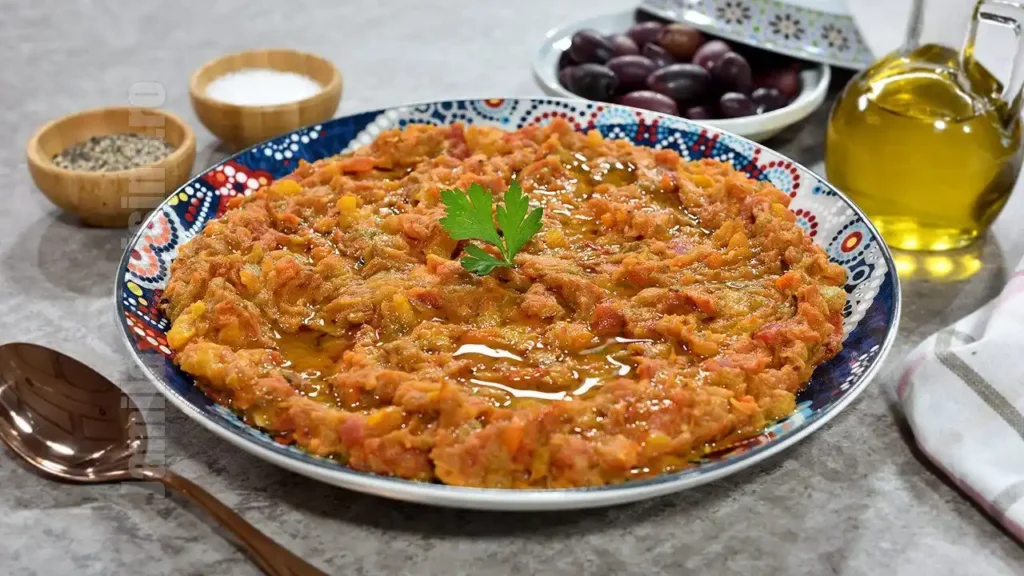
5. Zaalouk — Morocco’s Essential Cooked Salad
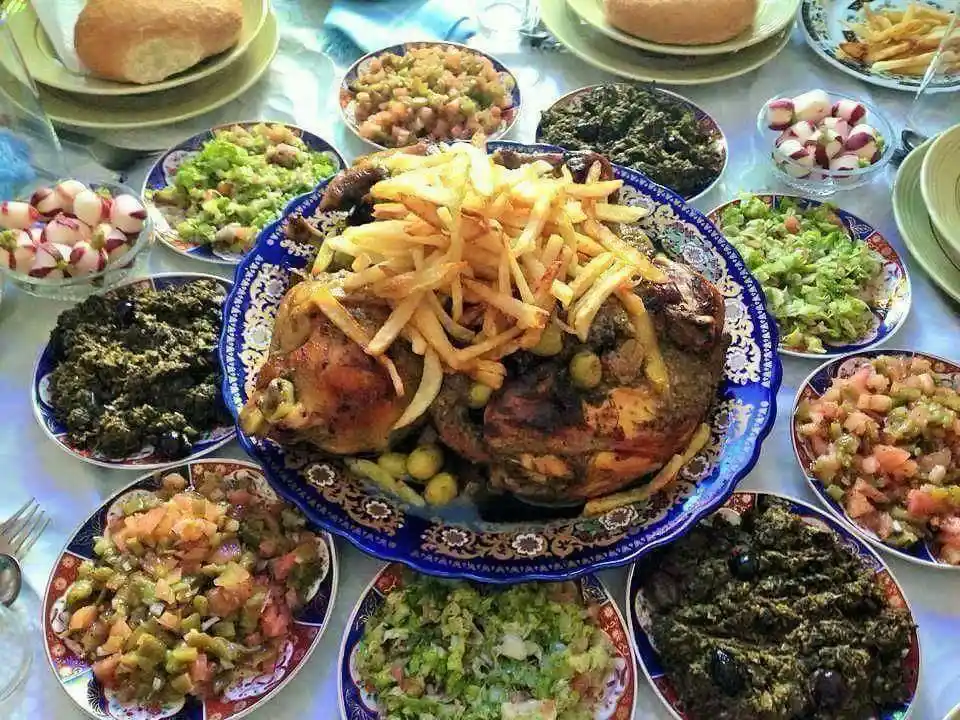
Zaalouk is the cooked salad that appears at nearly every Moroccan meal as part of the traditional spread of small dishes (known as ‘kemia’ or ‘meze’). Made from charred, smoky eggplant slow-cooked with roasted tomatoes, garlic, cumin, paprika, and a generous pour of olive oil, zaalouk is typically served at room temperature with crusty Moroccan bread for scooping. Its texture is silky, its flavor is deep and complex, simultaneously sweet from the roasted tomato, smoky from the eggplant, and warm from the cumin.
Other classic cooked salads you may encounter alongside zaalouk include taktouka (roasted green peppers with tomatoes), carrot salad with cumin and coriander, and beet salad with orange blossom water. Together, they form the colorful, aromatic opening act of any traditional Moroccan feast.
Regional Specialties: The Competitive Edge of Moroccan Cuisine
One of the most exciting and underappreciated aspects of Moroccan food is the profound variation you will encounter as you move from city to city. Morocco is not a monolithic culinary landscape; it is a collection of distinct regional kitchens, each shaped by local geography, history, and available ingredients.
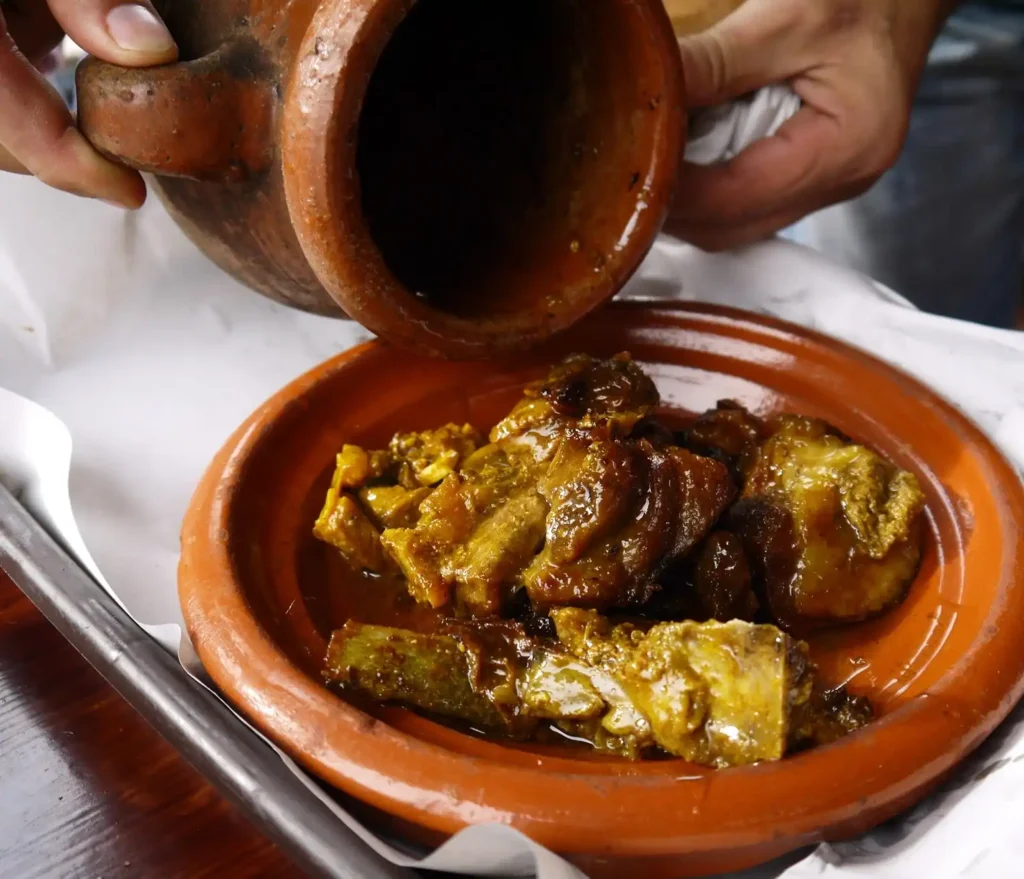
Tanjia Marrakchia — The Bachelor’s Stew of Marrakech
Marrakech is home to one of the most unique cooking methods in the world: the underground-cooked Tanjia Marrakchia. A tanjia is a tall, narrow clay amphora filled with chunks of lamb or beef, preserved lemon, saffron, cumin, garlic, and smen (aged clarified butter).
The sealed pot is carried to the local hammam (public bath), where it is buried in the hot ashes surrounding the furnace and left to slow-cook for four to six hours. The result is meltingly tender, deeply perfumed meat that tastes unlike anything produced in a conventional kitchen.
Tanjia is traditionally associated with Marrakchi bachelors and working-class men who would drop their pot at the hammam in the morning and collect it at lunchtime. Today, it is celebrated as one of the city’s most iconic dishes, served in dedicated restaurants throughout the medina. If you are visiting Marrakech with Desert Merzouga Tours, a Tanjia lunch in the medina is an essential experience.
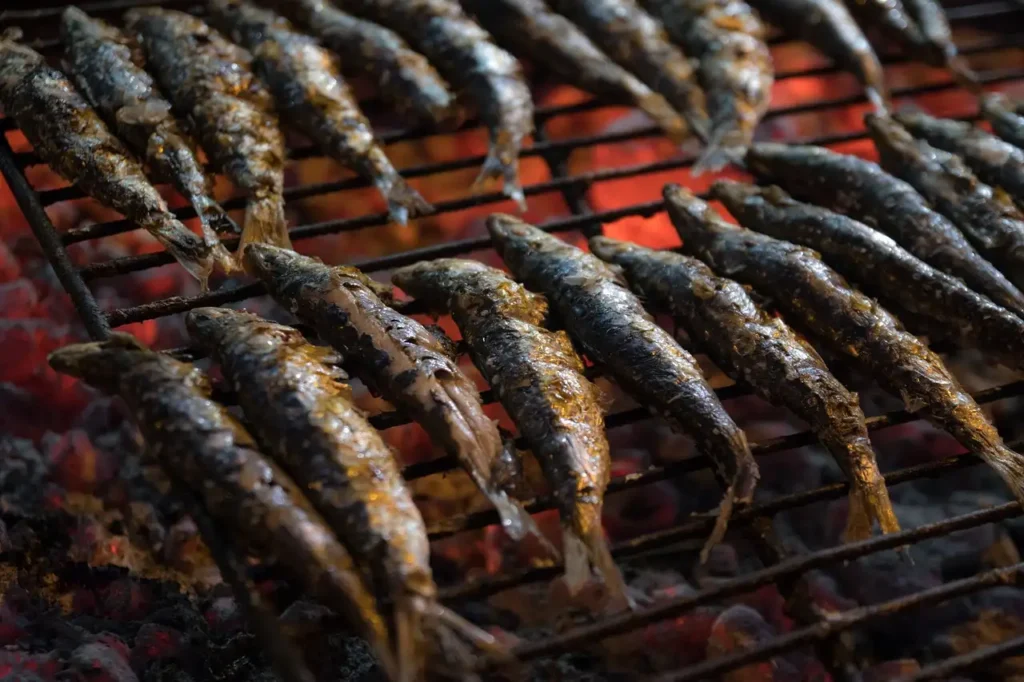
Grilled Sardines of Essaouira
On the windswept Atlantic coast, the charming blue-and-white city of Essaouira is famous throughout Morocco for the freshest, most perfectly grilled sardines you will ever eat. The port’s fishing boats arrive every morning loaded with sardines, mackerel, and sea bass, which are immediately grilled on open charcoal braziers right on the harbor. Season them with nothing more than cumin, salt, and a squeeze of lemon, and serve them with bread and a glass of fresh-squeezed orange juice, this is Moroccan seafood at its purest and most honest.
Mint Tea Variants — North vs. South
Moroccan mint tea, the ‘whisky of Morocco’ as locals call it with a smile, is made from green gunpowder tea steeped with fresh spearmint and sweetened with generous amounts of sugar. However, there are notable regional variations. In northern Morocco and the cities of Fez and Meknes, you will often find tea brewed with wormwood (chiba) added to the mint for a more complex, slightly bitter flavor.
In the deep south and Saharan regions like Merzouga, the tea ceremony takes on an even more ceremonial significance among Tuareg and Amazigh communities, where three glasses must always be drunk — the first strong ‘like life,’ the second sweet ‘like love,’ and the third gentle ‘like death.’ Refusing all three glasses is considered impolite.
The Moroccan Spice Cabinet: More Than Just Flavor
The extraordinary depth of Moroccan food comes not from a single magic ingredient, but from the sophisticated layering of spices that Moroccan cooks have mastered over centuries. Understanding the Moroccan spice cabinet is essential to understanding the cuisine itself.
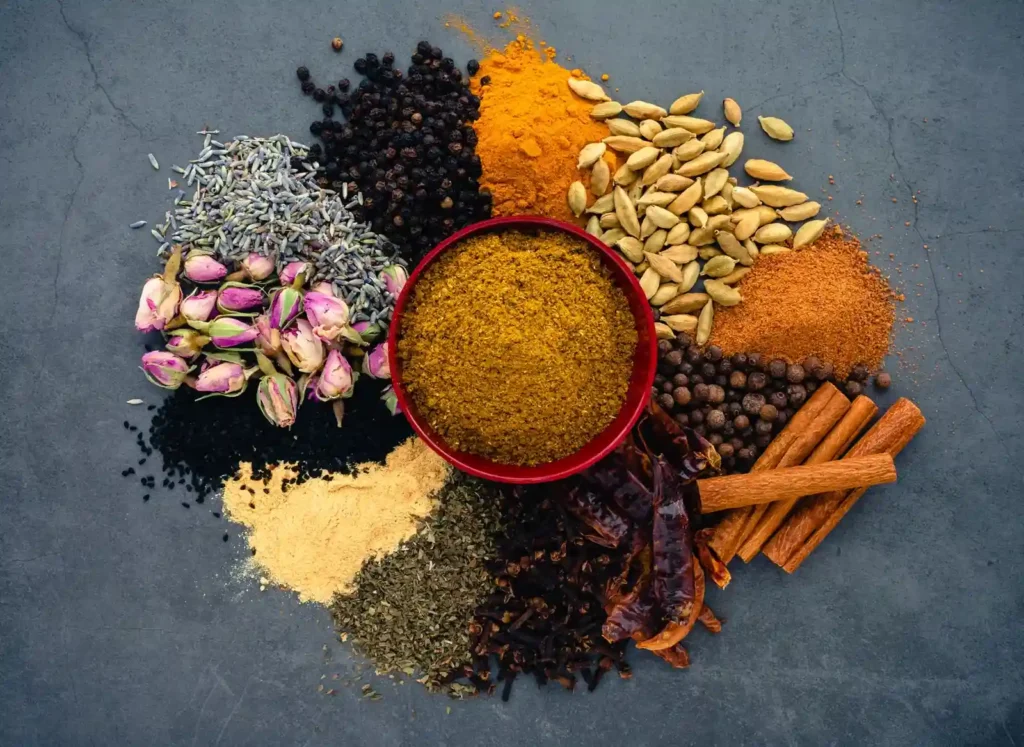
Ras el Hanout — The King of Spice Blends
Ras el Hanout, which translates from Arabic as ‘head of the shop’ (meaning the very best a spice merchant has to offer), is the most celebrated and complex spice blend in Moroccan cooking. Unlike curry powder or garam masala, there is no single standardized recipe; every spice merchant, family, and chef has their own closely guarded formula, and the number of Ras el Hanout ingredients can range from 12 to over 30 spices.
A classic Ras el Hanout typically contains at minimum the following spices:
- Cumin — earthy and warm, the backbone of the blend
- Coriander — bright and citrusy, adding lift
- Cinnamon — sweet and warming, essential to the savory-sweet profile
- Ginger — sharp and aromatic
- Turmeric — golden color and earthy depth
- Black pepper — for heat and edge
- Cardamom — floral and complex
- Nutmeg — warm and slightly sweet
- Allspice — unifying the blend
- Dried rose petals or lavender — for floral delicacy (in premium blends)
- Mace — woody and aromatic
- Cloves — intense and warming
Premium Ras el Hanout blends may also include galangal, long pepper, orris root, monk’s pepper, and even dried insects (cantharides) in some traditional formulations. When you visit a spice souk in Fez or Marrakech, a reputable merchant will often let you smell and taste the individual components of his blend, one of the most sensory and educational experiences Morocco has to offer.
Saffron from Taliouine — Morocco’s Red Gold
Morocco is among the world’s leading producers of saffron, and the highest quality comes from the small Souss-Massa town of Taliouine, nestled in the Anti-Atlas mountains. Taliouine saffron is famous for its deep crimson threads, intense floral aroma, and rich golden color. It perfumes tagines, couscous broths, Bastilla, and Moroccan tea, and is also used medicinally and cosmetically throughout the country. If you are shopping for saffron as a souvenir, Taliouine-labeled saffron from a reputable merchant is your best assurance of authenticity.
Argan Oil from Agadir — Liquid Gold
Cold-pressed from the nuts of the argan tree, which grows almost exclusively in the Souss-Massa region around Agadir, argan oil is one of Morocco’s most precious culinary products. Culinary argan oil (distinct from the cosmetic variety) has a rich, nutty flavor and is used as a dipping oil, drizzled over couscous, mixed into amlou (a heavenly almond-argan-honey paste), and served for breakfast. Women’s cooperatives around Agadir press argan oil using traditional methods, and purchasing directly from these cooperatives supports both fair wages and sustainable environmental practices, something Desert Merzouga Tours actively promotes through its responsible tourism ethos.
| Spice / Ingredient | Primary Use in Moroccan Food | Key Region |
| Ras el Hanout | Tagines, couscous, marinades | Nationwide |
| Saffron | Bastilla, tagines, tea | Taliouine (Anti-Atlas) |
| Argan Oil | Dipping oil, amlou, couscous | Agadir / Souss-Massa |
| Cumin | Salads, grilled meats, harira | Nationwide |
| Preserved Lemon | Chicken tagine, cooked salads | Nationwide |
| Rose Water | Pastries, mint tea, bastilla | Kelaa des M’Gouna |
| Smen (aged butter) | Couscous, tanjia | Rural / Berber regions |
Street Food vs. Fine Dining: What to Expect
Morocco offers one of the world’s most exciting spectrums of eating experiences, from the theatrical chaos of a night souk to the hushed elegance of a candlelit riad courtyard. Here is what to expect at both ends of the spectrum.
The Souks: Moroccan Street Food Culture
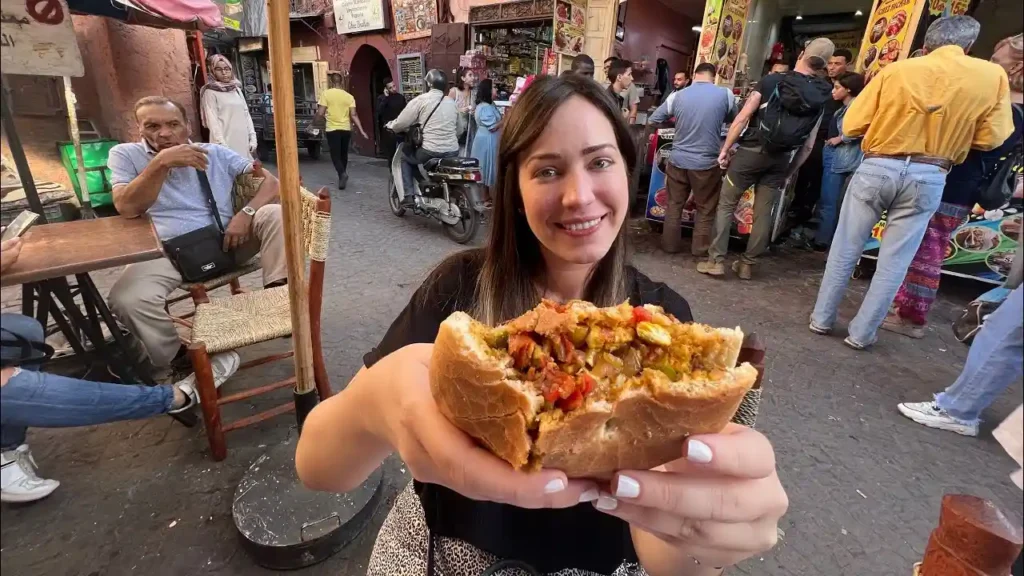
Djemaa el-Fna square in Marrakech is arguably the world’s greatest outdoor food market, by day a stage for storytellers and snake charmers, by night it transforms into a vast, smoke-filled kitchen with hundreds of stalls offering every imaginable Moroccan street food. The experience is intoxicating and essential.
The most popular Moroccan street foods you will encounter in the souks include:
- Snails (Ghlal / Babouch) — simmered in a spiced broth of thyme, licorice root, mint, and pepper, served in small bowls with a toothpick for extracting the snail. A beloved and utterly unique Marrakchi snack.
- Msemen — square, multi-layered flatbreads folded with butter and semolina, cooked on a griddle and served with honey, amlou, or jam. The quintessential Moroccan breakfast street food.
- Maakouda — crispy potato fritters spiced with cumin and turmeric, served in a sandwich roll with harissa. Cheap, filling, and deeply satisfying.
- Brochettes (Kefta skewers) — spiced ground lamb or beef threaded on skewers and grilled over charcoal, served with bread and cumin salt.
- Merguez sausages — spicy lamb sausages grilled to order, fragrant with paprika and fennel.
- B’ghrir (Thousand-hole pancakes) — spongy semolina pancakes eaten warm with honey and butter for breakfast.
- Fresh-squeezed orange juice — Morocco grows exceptional oranges, and the juice stalls of Marrakech are legendary. A large glass costs less than a dollar.
Fine Dining: Morocco’s Riads and Palace Restaurants
At the opposite end of the spectrum, Morocco’s finest dining experiences take place in restored riads, traditional courtyard mansions converted into boutique hotels and restaurants. In cities like Fez, Marrakech, and Rabat, riad restaurants serve elaborate multi-course tasting menus that showcase the full sophistication of Moroccan culinary heritage: opening with an array of hot and cold salads and fresh bread, progressing through bastilla and soup harira, then a show-stopping tagine or mechoui (whole slow-roasted lamb), and culminating in a dessert spread of pastries, fresh fruit, and mint tea.
Many of Desert Merzouga Tours’ premium itineraries include private dinners in authentic riads, where guests experience Moroccan hospitality at its most refined, with live Gnawa music, rose petals scattered across the courtyard, and the scent of orange blossom drifting from the garden. These are memories that last a lifetime.
Cultural Etiquette: How to Eat Like a Local in Morocco
Understanding Moroccan food etiquette is not just about avoiding faux pas, it is about deepening your connection with the culture and showing respect for your hosts. Moroccan hospitality (known as ‘Diyafa’) is legendary, and knowing how to accept and reciprocate it graciously will enrich every meal you share.
The Right Hand Rule
Moroccan food etiquette begins with a simple but important rule: always eat with your right hand. In Islamic culture, the left hand is considered unclean (reserved for personal hygiene), so reaching into a communal dish with your left hand would be deeply offensive. Even if you are naturally left-handed, make the effort — your Moroccan hosts will notice and appreciate it.
Bread as a Fork — The ‘Khobz’ Technique
Moroccan round bread (khobz) is not a side dish — it is a utensil. At traditional Moroccan meals, there are no individual forks or spoons. Instead, a round loaf is placed at the center of the table, and diners tear off pieces to scoop up tagine, salads, and sauces. The technique requires a small piece of bread folded into a scoop shape, using the thumb and first two fingers of the right hand. Mastering this takes a few minutes, but once you have it, eating Moroccan food becomes profoundly more immersive and enjoyable.
The Three-Glass Mint Tea Ritual
As mentioned in the regional section above, being served mint tea in Morocco is a ceremony, not merely a refreshment. When a host prepares tea, they will pour it from a height of 30–40 cm to create froth, which is called ‘giving the tea its taste.’ You should always accept at least the first glass, and drinking all three glasses is considered the polite and gracious response. Refusing tea can be interpreted as a rejection of the host’s hospitality.
The tea will typically be very sweet by Western standards — adding your own sugar after it has been served can inadvertently suggest that the host has not prepared it correctly. Accept the sweetness as an expression of care and generosity.
Communal Eating: Eating from Your Section of the Dish
When eating from a communal tagine or couscous platter, Moroccan food etiquette dictates that each person eats from the section of the dish directly in front of them, rather than reaching across the platter. The host will typically place the best morsels of meat or vegetables in front of their guests as a sign of honor. It is polite to eat everything placed in front of you, as leaving food can suggest the dish was not to your liking.
Saying ‘Bismillah’ and ‘Hamdulillah’
At a traditional Moroccan meal, the host may say ‘Bismillah’ (In the name of God) before eating begins, this is an invitation for everyone at the table to start. When the meal is finished, it is customary to say ‘Hamdulillah’ (Thanks be to God) as an expression of gratitude. Even as a non-Muslim visitor, using these words is appreciated as a sign of respect and cultural awareness.
Frequently Asked Questions About Moroccan Food
Is Moroccan food spicy?
This is perhaps the most common question asked by first-time visitors, and the answer surprises many people: Moroccan food is aromatic and complex, but not typically hot-spicy in the way that Thai, Indian, or Mexican food can be.
The cuisine relies on warm spices like cinnamon, ginger, cumin, and coriander for depth and complexity, but fresh chili and hot peppers are not a traditional part of the flavor profile. The exception is harissa, a fiery red chili paste served as a condiment at street food stalls, which diners can add according to their own heat tolerance. So if you are sensitive to spicy food, you can eat very comfortably in Morocco; simply ask for ‘bila harissa’ (without harissa) when ordering street food.
What is the most popular street food in Morocco?
While Djemaa el-Fna in Marrakech offers the widest variety, the single most popular and universally beloved Moroccan street food is probably the sandwich, specifically a crusty roll (known as a ‘khobz dial souk’ or market bread roll) filled with kefta, Maakouda potato fritters, or merguez sausages. These cost the equivalent of a few cents to a dollar, are eaten throughout the day, and are found in every city, town, and village. Fresh-squeezed orange juice and msemen flatbreads are equally ubiquitous and beloved across the country.
Can vegetarians eat well in Morocco?
Absolutely, and often exceptionally well. While traditional Moroccan cooking is centered around lamb, chicken, and beef, the cuisine has an extraordinarily rich vegetarian tradition rooted in its Berber, Jewish, and Mediterranean influences. A vegetarian visitor to Morocco can feast on: zaalouk and taktouka cooked salads, vegetable tagines with chickpeas and preserved lemon, couscous with seven vegetables, harira soup (available in vegetarian versions), msemen and beghrir pancakes with honey and amlou, fresh salads dressed with argan oil, and an endless variety of pastries and sweets.
In traditional riads and many modern restaurants, vegetarian options are abundant and delicious. Simply communicate your preferences clearly when booking, and your hosts will accommodate you beautifully.
What should I eat for breakfast in Morocco?
A traditional Moroccan breakfast (‘ftour’) is one of the most delightful meals of the day: a spread of khobz bread and msemen flatbreads with small bowls of honey, amlou (argan oil and almond paste), olive oil, and fresh butter; accompanied by hot mint tea or café au lait. Hard-boiled eggs, fresh fruit, and briouats (small fried pastry parcels filled with cheese or almond paste) may also feature.
It is communal, leisurely, and completely different from a Western continental breakfast. Eating a proper Moroccan breakfast in a riad courtyard, with the morning light filtering through an ornate carved plaster ceiling, is an experience you will remember long after you return home.
What is the best way to experience authentic Moroccan food?
The single best way to experience authentic Moroccan food is through a combination of a local cooking class, a guided street food tour, and at least one home-cooked meal with a Moroccan family. Desert Merzouga Tours offers all three as part of its customized food and culture itineraries, connecting guests with local chefs, market vendors, and family hosts who share not just their recipes, but the stories and traditions behind them. This kind of immersive culinary travel is what transforms a vacation into a genuine cultural experience.
Plan Your Moroccan Culinary Journey with Desert Merzouga Tours
Morocco’s food culture is inseparable from its landscape, its history, and its people. From the aromatic spice markets of Fez to the smoky charcoal grills of Essaouira’s harbor, from the elaborate riad banquets of Marrakech to the humble tea ceremony shared in a Sahara camp near Merzouga, every meal in Morocco is an act of connection and discovery.
At Desert Merzouga Tours, we believe that food is one of the most powerful gateways into Moroccan culture. That is why every itinerary we craft, whether it is a private city tour, a Sahara desert expedition, or a multi-week journey from Tangier to Agadir, includes carefully curated food experiences that go far beyond restaurant recommendations. We connect you with the cooks, the spice merchants, the fishing communities, and the family kitchens that make Moroccan food what it is: one of the world’s great living culinary traditions.
Ready to taste Morocco for yourself? Contact our team today to begin planning your personalized Moroccan culinary journey.
Disclaimer: Dish availability and regional specialties may vary by season and location. Desert Merzouga Tours recommends confirming specific culinary experiences with your guide upon arrival.