Table of Contents
Ifrane Morocco, is a specialized alpine town in the Middle Atlas Mountains of Morocco, famous for its European-style architecture, snowy winters, and cedar forests. Often referred to as “Little Switzerland,” it was established in the 1920s as a hill station during the French Protectorate era.
Ifrane Morocco, At a Glance
| Feature | Details |
|---|---|
| Altitude | 1,665 m (5,463 ft) |
| Best Time to Visit | Winter (December-March) for skiing; Spring (April-May) for nature |
| Known For | Skiing, Cedar Forests, Al Akhawayn University, Barbary Macaques |
| Distance from Fez | ~63 km (~1 hour drive) |
| Distance from Meknes | ~53 km (~50 minutes drive) |
| Climate | Cold winters with snow; mild summers |
| Nickname | Little Switzerland Morocco |
The Vibe Check: What Makes Ifrane Morocco So Unique?
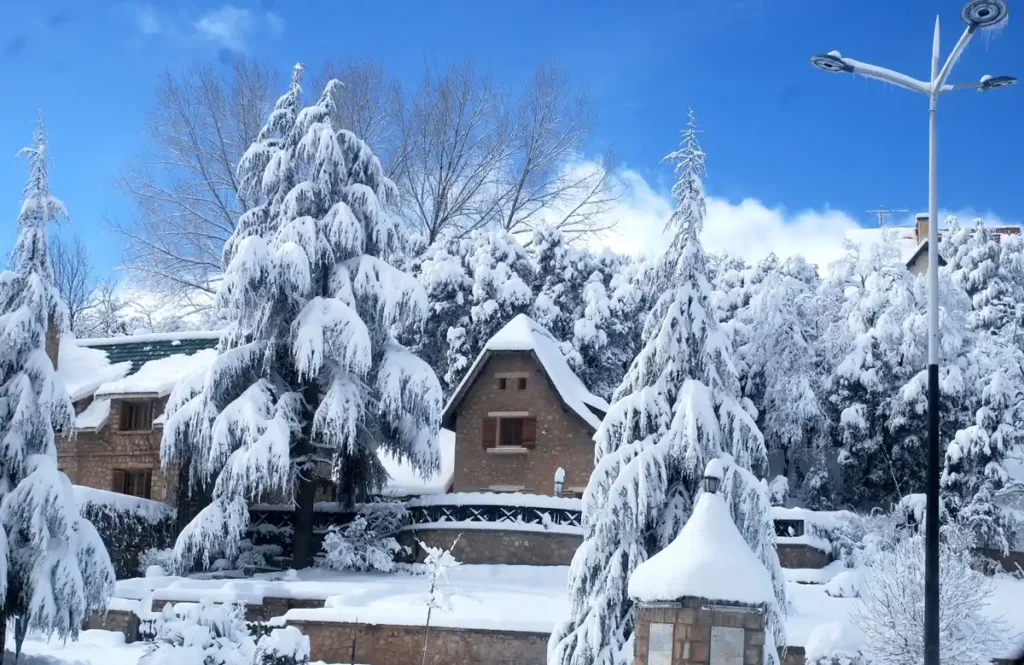
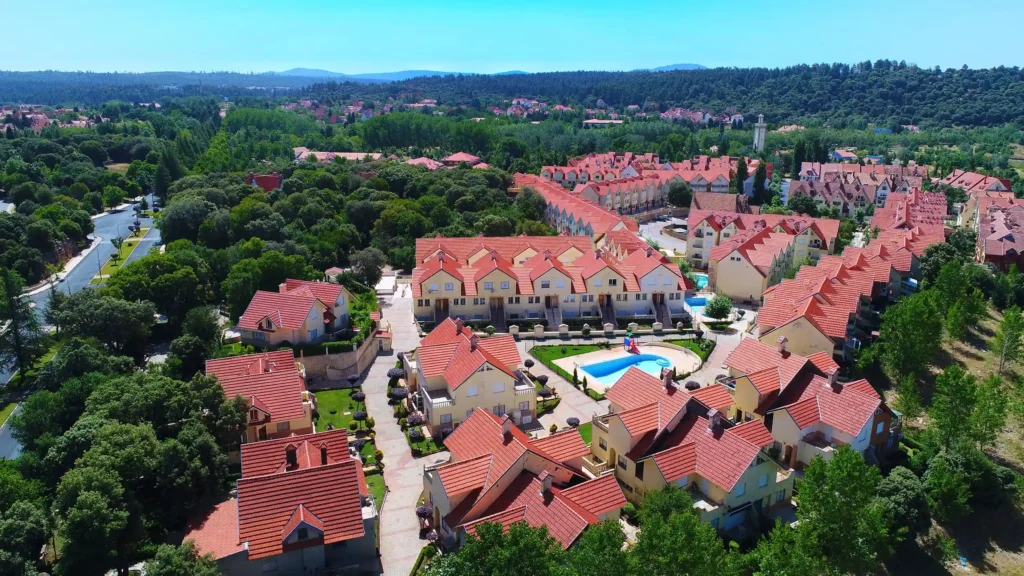
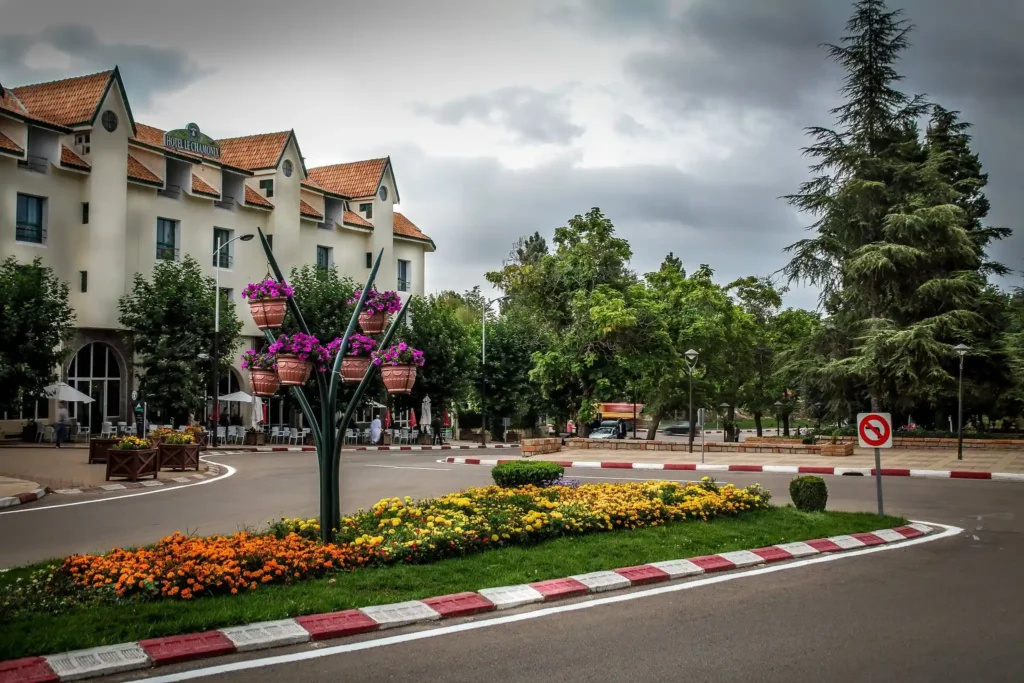
When you first arrive in Ifrane Morocco, you’ll experience something that feels almost surreal, especially if you’ve just come from the bustling medinas of Fez or Marrakech. Picture this: red-tiled roofs reminiscent of a Swiss village, manicured gardens that would make any European city proud, and streets so clean that Ifrane has frequently been voted one of the world’s cleanest cities (ranking 2nd globally in some surveys).
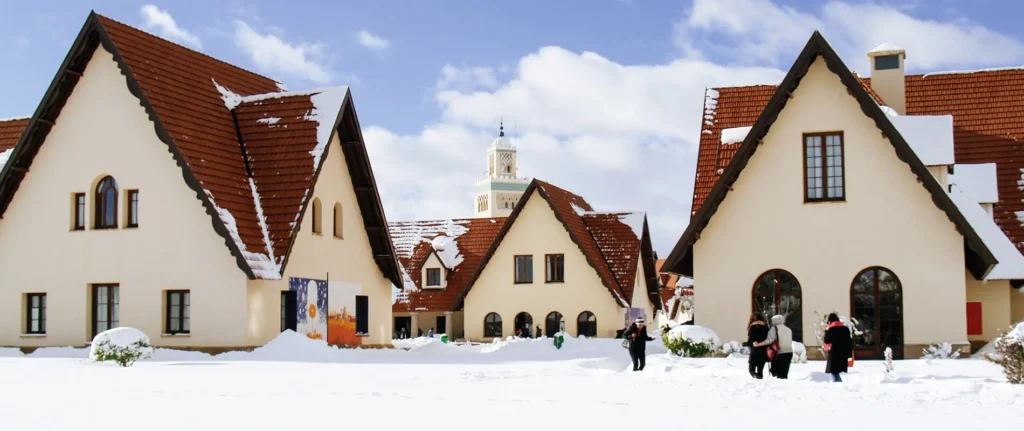
This isn’t the Morocco most travelers expect. There are no winding souks filled with spice vendors, no calls to prayer echoing through narrow alleys. Instead, you’ll find wide boulevards lined with chalets, a crisp Alpine atmosphere that feels transplanted from the Alps, and, if you visit in winter, actual snow blanketing the Atlas Mountains.
The town was developed during the French Protectorate as a summer retreat for French colonials seeking respite from the heat. That legacy lives on in the architecture, the urban planning, and the overall aesthetic. Ifrane is often referred to as Morocco’s Garden City, and it’s earned that title through meticulous landscaping and a commitment to preserving its unique character.
What surprises most visitors is the temperature. While coastal Morocco enjoys Mediterranean warmth year-round, Ifrane Morocco, can drop below freezing in winter. In January and February, you’ll absolutely need a heavy coat, gloves, and winter boots; this isn’t the time for your desert travel wardrobe. The shock of seeing snow in Africa is part of what makes Ifrane so memorable.
Top Things to Do in Ifrane: Activities for Every Traveler
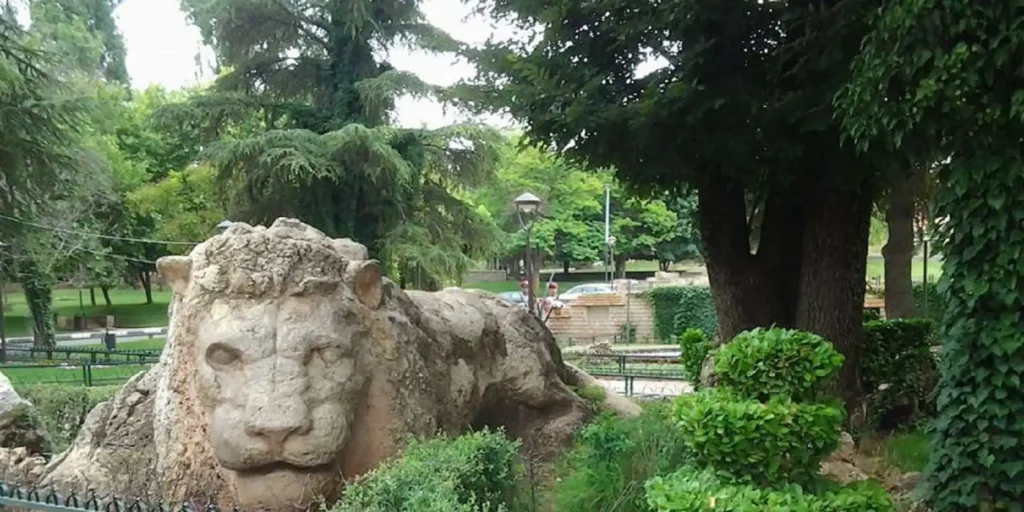
The Lion Stone (Le Lion d’Ifrane): An Iconic Photo Opportunity
Your first stop should be the Lion Stone, locally known as Le Lion d’Ifrane. This massive limestone sculpture of a lion has become the unofficial symbol of the town, and you’ll see why the moment you lay eyes on it. Carved in 1930, the statue has an interesting backstory that adds depth to your visit.
According to local history, the lion was sculpted by a German prisoner of war during World War II as a tribute to the last wild Atlas lion (now extinct) that once roamed these mountains. The detail in the carving is remarkable, the mane, the powerful stance, the regal bearing, all captured in stone that has weathered decades of mountain weather.
The Lion Stone sits in a small park surrounded by gardens, making it a perfect spot for photos. Arrive early in the morning or during the late afternoon golden hour for the best lighting. During winter, when snow covers the ground around the statue, the contrast creates truly Instagram-worthy shots.
Pro Tip: While the Lion Stone is a must-see, don’t just snap a photo and leave. Take a moment to walk through the surrounding gardens and appreciate the landscaping that makes Ifrane Morocco, special.
Ifrane National Park & The Cedar Forest: Where Nature Meets Wildlife
Just a short drive from the town center (about 17 km south), Ifrane National Park opens up a world of natural beauty that rivals any European mountain range. The park covers over 500 square kilometers and contains some of the largest cedar forests in Morocco.
The star attraction? The Barbary Macaques that inhabit these ancient cedar groves. These are not zoo animals behind glass; they’re wild monkeys that have learned to coexist with human visitors. You’ll see them swinging from branches, grooming each other, and yes, begging for food.
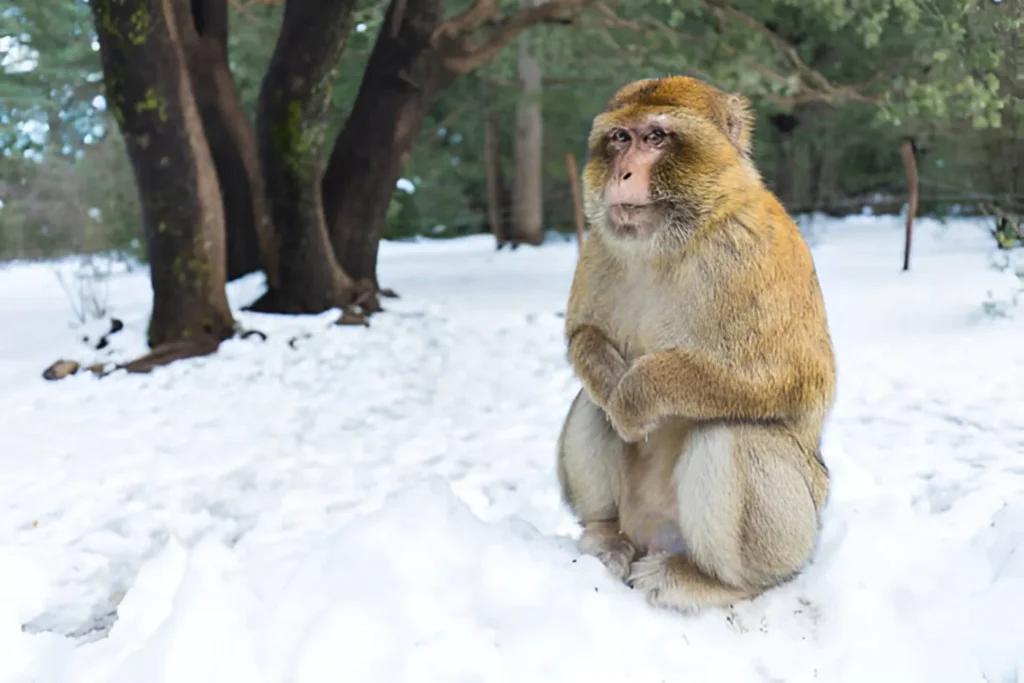
Safety Tip: Interacting with Barbary Macaques
While it’s tempting to feed these adorable primates, do not feed the monkeys. Feeding wildlife disrupts their natural behavior, makes them dependent on humans, and can lead to aggressive behavior. Park rangers have reported incidents where monkeys have snatched bags or scratched tourists who were holding food. Observe from a respectful distance, keep your belongings secure, and never make sudden movements around them.
The cedar trees themselves are magnificent; some are over 800 years old, with trunks so wide that it would take several people holding hands to encircle them. The forest floor is carpeted with needles, and the air is perfumed with that distinctive cedar scent. In spring, wildflowers add splashes of color to the landscape.
What to Bring:
- Sturdy hiking shoes (trails can be uneven)
- Binoculars for wildlife spotting
- A camera with a zoom lens for monkey photos
- Water and snacks (but keep them hidden in your backpack)
- Layers of clothing (temperature can vary)
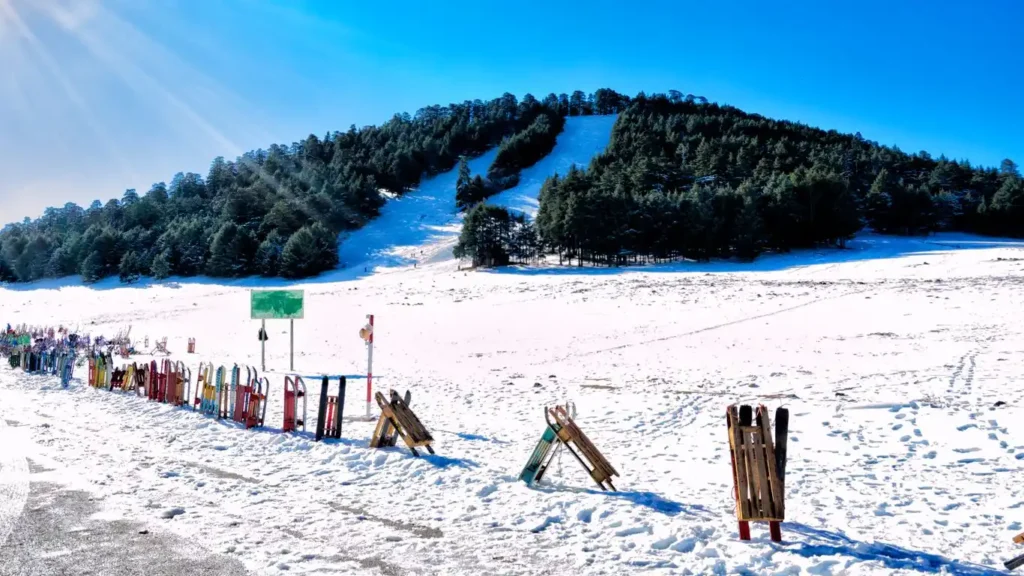
Michlifen Ski Resort: The Aspen of Morocco
When people think of African skiing, Morocco rarely comes to mind, but it should. The Michlifen Ski Resort, located just 5 km from Ifrane, Morocco, offers a genuine winter sports experience that would surprise even seasoned skiers.
Often called “The Aspen of Morocco,” Michlifen operates from December through March when snow conditions are optimal. The resort features multiple ski runs suitable for beginners and intermediate skiers, though advanced skiers might find the terrain somewhat limited compared to European resorts.
What Makes Michlifen Special:
The novelty factor is huge. How many people can say they’ve skied in Africa? But beyond bragging rights, Michlifen offers a unique cultural experience. You might find yourself sharing the slopes with Moroccan families experiencing snow for the first time, creating a festive atmosphere quite different from the sometimes stuffy vibe of European ski resorts.
The resort facilities include equipment rental, ski lessons, and a warming lodge where you can sip mint tea while watching the snow fall. Prices are generally more affordable than European equivalents, making this an accessible option for families.
Important Note: Snow conditions can be unpredictable. Before planning a ski-focused trip to Ifrane Morocco, check current conditions and weather forecasts. Some years see abundant snowfall; others are leaner. The resort’s official website and local tour operators can provide real-time updates.
Al Akhawayn University: Morocco’s Elite Educational Institution
Even if you’re not usually interested in visiting universities while traveling, Al Akhawayn University deserves your attention. This English-language institution, founded in 1995, occupies a stunning campus that looks like it was airlifted from an American Ivy League school.
The university was established by King Hassan II and named in honor of his brothers (Al Akhawayn means “the two brothers” in Arabic). It follows an American-style curriculum and has become one of the most prestigious universities in North Africa, attracting students from across Morocco and beyond.
Why Visit?
The campus architecture alone is worth seeing, think stone buildings with green lawns, modern facilities, and mountain views that provide a dramatic backdrop. During the academic year, the presence of international students gives Ifrane a cosmopolitan energy that contrasts with its sleepy ski-town vibe.
You can walk through parts of the campus (respect posted signs about private areas), visit the bookstore, or grab coffee at the student café. It’s a fascinating glimpse into modern Moroccan education and the country’s investment in creating world-class institutions.
The university also contributes to Ifrane’s unique character. You’ll notice more English spoken here than in other small Moroccan towns, and the presence of students from diverse backgrounds adds to the international feel.
The Information Gain Section: What Other Guides Don’t Tell You
Getting There: Practical Transportation Details
Most guides tell you Ifrane Morocco, is “near Fez”, but let’s get specific about your actual options:
From Fez:
- Grand Taxi: The most economical option. Head to the Bab Ftouh taxi station in Fez. Shared grand taxis (typically Mercedes sedans) charge approximately 30-40 MAD per person (about $3-4 USD). The taxi leaves when full (usually 6 passengers). Travel time: 60-75 minutes, depending on traffic and stops.
- Private Grand Taxi: If you prefer not to wait or want comfort, you can charter an entire taxi for approximately 200-250 MAD ($20-25 USD) each way. Negotiate the price before departing.
- Rental Car: Provides maximum flexibility for exploring the surrounding area. The drive is straightforward on the N8 highway. Cost: approximately 300-500 MAD per day, depending on vehicle type.
- Organized Tour: Desert Merzouga Tours and similar operators offer day trips from Fez that include transportation, a guide, and sometimes lunch. Prices typically range from $50-80 USD per person.
From Meknes: Similar options exist, with slightly shorter travel times (50-60 minutes) and comparable pricing.
One-Day Itinerary: Maximizing Your Ifrane Experience
Morning (9:00 AM – 12:00 PM):
- Arrive in Ifrane and start at the Lion Stone (30 minutes for photos and exploration)
- Walk through the town center, observing the architecture and gardens (45 minutes)
- Coffee break at a local café, try Café de France or Hotel Chamonix (30 minutes)
- Visit Al Akhawayn University campus (45 minutes)
Lunch (12:00 PM – 1:30 PM):
- Enjoy lunch at Restaurant Le Chamonix or Café Restaurant de la Rose, which offer both Moroccan and European cuisine
Afternoon (1:30 PM – 5:00 PM):
- Drive to Ifrane National Park and the Cedar Forest (3 hours including travel time)
- Observe Barbary Macaques and walk among ancient cedars
- For winter visitors: Option to add skiing at Michlifen (requires earlier start or overnight stay)
Evening (5:00 PM – 7:00 PM):
- Return to the Ifrane center for an early dinner
- Shop for local handicrafts (cedar wood products are specialty items)
- Depart for Fez or your accommodation
The Climate Reality: What You Actually Need to Pack
Most travel blogs euphemistically describe Ifrane Morocco, as “cool” or “refreshing.” Let’s be more honest about what to expect:
Winter (December – March):
- Daytime temperatures: 2°C to 10°C (35°F to 50°F)
- Nighttime temperatures: -5°C to 2°C (23°F to 35°F)
- What you need: Heavy winter coat, thermal underwear, wool sweater, warm hat, gloves, winter boots with good traction, scarf. This is not an exaggeration—Ifrane gets genuinely cold and snow is common.
Spring (April – May):
- Daytime temperatures: 12°C to 20°C (54°F to 68°F)
- Nighttime temperatures: 5°C to 10°C (41°F to 50°F)
- What you need: Medium jacket, long pants, comfortable walking shoes, light sweater for evenings
Summer (June – August):
- Daytime temperatures: 20°C to 28°C (68°F to 82°F)
- Nighttime temperatures: 12°C to 15°C (54°F to 59°F)
- What you need: Light layers, long sleeves for sun protection, comfortable shoes, light jacket for evenings
Fall (September – November):
- Daytime temperatures: 10°C to 18°C (50°F to 64°F)
- Nighttime temperatures: 3°C to 8°C (37°F to 46°F)
- What you need: Layered clothing, medium jacket, long pants, closed-toe shoes
The weather in Ifrane can change quickly due to the altitude and mountain location. Even in summer, temperatures drop significantly after sunset. Always pack layers and be prepared for conditions to vary from forecasts.
Where to Stay: Accommodation Options
Ifrane Morocco offers a range of accommodation options to suit different budgets and preferences:
Luxury Options:
- Michlifen Ifrane Suites & Spa: A five-star resort with elegant rooms, spa facilities, and mountain views. Perfect for travelers seeking comfort and luxury during their Atlas Mountains experience.
- Hotel Appart Ifrane: Modern apartments with full kitchens, ideal for families or longer stays.
Mid-Range Options:
- Hotel Chamonix: A charming hotel with Alpine-inspired décor and comfortable rooms. The restaurant serves excellent French-Moroccan fusion cuisine.
- Perce-Neige Hotel: Family-run establishment with warm hospitality and good value for money.
Budget Options:
- Auberge des Gites: Simple but clean accommodations favored by budget travelers and hikers.
- Various guesthouses and riads: Throughout town offer authentic experiences at reasonable prices.
Pro Tip for Desert Merzouga Tours Clients: When booking a comprehensive Morocco tour that includes Ifrane, ask about accommodation options that match your preferences. A tailored itinerary might include an overnight stay to experience Ifrane’s tranquil evenings and morning mountain air, something day-trippers miss entirely.
Best Time to Visit Ifrane Morocco
The answer depends entirely on what you want to experience:
For Skiing and Winter Sports: December through March is peak season. January and February typically see the most consistent snow. Book accommodations well in advance as hotels fill up with Moroccan and international visitors.
For Nature and Hiking: April through June offers mild temperatures, blooming wildflowers in Ifrane National Park, and baby Barbary Macaques in the cedar forests. The landscape is lush and green from winter rains.
For Mild Weather and Fewer Crowds: September and October provide pleasant temperatures without the summer tourist rush. The fall colors in the cedar forests are stunning.
To Avoid: Late summer (July-August) can be crowded with Moroccan tourists escaping coastal heat. While still pleasant, you’ll find higher prices and busier attractions.
Dining in Ifrane: What to Eat
Ifrane’s culinary scene reflects its unique character, a blend of Moroccan flavors with European influences:
Traditional Moroccan:
- Tagine (slow-cooked stew with meat and vegetables)
- Couscous (traditionally served on Fridays)
- Harira (hearty soup, especially good in cold weather)
- Moroccan mint tea (a must at any café)
Local Specialties:
- Trout: Freshwater fish from mountain streams, often grilled or fried
- Wild mushrooms: Foraged from surrounding forests in autumn
- Cedar honey: Sweet, aromatic honey produced by bees feeding on cedar flowers
International Options: Due to the university presence and tourist traffic, Ifrane offers more international cuisine than typical Moroccan towns. You’ll find decent pizza, French pastries, and even the occasional burger.
Restaurant Recommendations:
- Restaurant Meziana: Known for excellent traditional Moroccan cuisine
- La Rose Restaurant: French-Moroccan fusion in an elegant setting
- Café Restaurant de la Paix: Casual spot popular with locals and students
Combining Ifrane with Your Morocco Itinerary
For travelers working with Desert Merzouga Tours or planning an independent Morocco adventure, Ifrane Morocco fits beautifully into several itinerary frameworks:
The Northern Morocco Circuit (7-10 Days)
Day 1-2: Casablanca (Hassan II Mosque, Corniche) Day 3-4: Rabat and Meknes Day 5: Ifrane and Cedar Forest day trip Day 6-7: Fes (medina exploration, tanneries, cooking class) Day 8-9: Chefchaouen (the Blue City) Day 10: Return to Casablanca
The Grand Morocco Tour (12-14 Days)
Include Ifrane as a refreshing mountain interlude between the cultural immersion of Fes and the desert adventure of Merzouga. The temperature and landscape contrast makes the desert experience even more dramatic.
The Atlas Mountains Deep Dive (5-7 Days)
For nature lovers and adventure seekers:
- Ifrane and surroundings (2 days)
- Azrou and cedar forests (1 day)
- Middle Atlas mountain villages (2 days)
- Hiking and nature photography throughout
Family-Friendly Morocco (10 Days)
Ifrane is excellent for families with children who might be overwhelmed by intense medina experiences. The open spaces, wildlife viewing, and novel experience of seeing snow in Africa create memorable moments. Desert Merzouga Tours specializes in crafting family itineraries that balance cultural immersion with child-friendly activities.
Cultural Insights: Understanding Ifrane’s Place in Morocco
Ifrane Morocco occupies a unique position in the Moroccan imagination. For many Moroccans, particularly those from warmer regions, Ifrane represents a dreamlike escape, a place where you can experience winter, see snow, and enjoy a European atmosphere without leaving the country.
The town sees a significant influx of domestic tourists, especially during winter weekends and holidays. Moroccan families from Rabat, Casablanca, and Marrakech flock here to let their children play in snow, often for the first time. This creates a festive, celebratory atmosphere quite different from the more sedate vibe during weekdays.
Things to Know:
- Ifrane is more conservative than coastal cities but more relaxed than rural areas. Standard Morocco modesty guidelines apply.
- French is widely spoken due to the French Protectorate legacy and the educational level of residents. English is increasingly common thanks to Al Akhawayn University.
- The cost of living and tourist prices in Ifrane are higher than in most Moroccan towns outside major cities. This reflects both the affluent domestic tourism market and the resort town nature.
- Ifrane takes pride in its cleanliness and order. You’ll notice far more trash bins than in other Moroccan cities, and there’s a genuine community ethic around maintaining the environment.
Sustainable Tourism in Ifrane
As awareness grows about responsible travel, visiting Ifrane Morocco mindfully ensures this unique destination remains pristine for future generations:
Environmental Considerations:
- Stay on marked trails in Ifrane National Park to prevent erosion and habitat disruption
- Never feed wildlife, particularly the Barbary Macaques, this is critical for their health and safety
- Dispose of trash properly, Ifrane’s cleanliness is maintained through collective effort
- Respect the cedar forests, don’t carve into trees or remove plant material
Community Support:
- Buy local products: Cedar wood crafts, local honey, and textiles support artisan families
- Eat at locally-owned restaurants rather than international chains
- Hire local guides for national park visits, they provide employment and deeper insights
- Respect property and public spaces, Ifrane residents take pride in their town’s appearance
Working with Responsible Tour Operators: Companies like Desert Merzouga Tours that emphasize sustainable tourism practices help ensure your visit benefits local communities while minimizing environmental impact. Ask about their policies regarding wildlife interaction, waste management, and community partnerships.
Frequently Asked Questions About Ifrane Morocco
Q: Is Ifrane Morocco worth visiting?
A: Absolutely, especially if you want a unique contrast to the desert and medina experiences that dominate most Morocco itineraries. Ifrane offers something completely different, Alpine atmosphere, winter sports, pristine nature, and a glimpse of modern Moroccan life. It’s particularly valuable for travelers who want variety in their Morocco journey or who are visiting during winter when coastal areas might feel too chilly for beach activities. For families, the combination of wildlife viewing, outdoor activities, and comfortable infrastructure makes Ifrane an excellent addition to any Morocco tour.
Q: Does it snow in Ifrane?
A: Yes, Ifrane Morocco receives regular snowfall from December through March, with the heaviest snow typically occurring in January and February. Due to its elevation of 1,665 meters and position in the Middle Atlas Mountains, Ifrane experiences a genuine winter climate. Some years see more abundant snow than others, so if skiing is your primary goal, check conditions before planning your trip. The sight of snow-covered cedar forests and chalets creates a magical atmosphere that surprises many visitors expecting Morocco’s typically warm climate.
Q: How long should I spend in Ifrane?
A: Most travelers allocate one full day for Ifrane Morocco if doing a day trip from Fez or Meknes. However, an overnight stay allows you to experience the peaceful evening atmosphere, enjoy dinner without rushing, and get an early start exploring Ifrane National Park before crowds arrive. If you’re interested in skiing or extensive hiking, consider 2-3 days. Work with your tour operator to determine what fits best with your overall Morocco itinerary.
Q: Is Ifrane safe for tourists?
A: Ifrane is one of the safest destinations in Morocco. The town has low crime rates, well-maintained infrastructure, and a visible security presence. Standard travel precautions apply (watch your belongings, don’t leave valuables in cars), but visitors consistently report feeling very secure. The biggest “danger” is the cold weather if you’re unprepared, pack appropriately for winter visits.
Q: Can I visit Ifrane without a car?
A: Yes, though having a car provides more flexibility. Grand taxis operate regularly between Fez/Meknes and Ifrane, and once in town, you can walk to most attractions. However, reaching Ifrane National Park and the Cedar Forest is easier with private transportation. Many travelers book organized tours that include transportation, which provides convenience and often includes a knowledgeable guide.
Q: What should I buy as souvenirs from Ifrane Morocco?
A: Cedar wood products are the specialty, look for carved boxes, decorative items, and aromatic cedar chips. Local honey (especially cedar honey) is excellent and makes a delicious, portable gift. You’ll also find wool products, including scarves and blankets, which are practical given the climate. The quality is generally high, and prices are reasonable compared to tourist-heavy medina shops.
Final Thoughts: Why Ifrane Morocco Deserves a Place on Your Itinerary
In a country as diverse as Morocco, Ifrane stands out precisely because it defies expectations. It’s not the Morocco of Casablanca or Lawrence of Arabia. It’s not the spice-scented medinas or the rolling Sahara dunes. Instead, Little Switzerland Morocco offers something refreshingly different, a mountain retreat where you can experience winter, observe wildlife in ancient forests, and enjoy clean air and organized streets.
For travelers working with services like Desert Merzouga Tours, incorporating Ifrane into a comprehensive Morocco itinerary creates valuable contrast. The journey from Fez’s chaotic medina to Ifrane’s orderly boulevards, then onward to the dramatic Sahara, showcases Morocco’s incredible diversity within relatively short distances.
Whether you’re seeking winter sports in an unexpected location, hoping to photograph Barbary Macaques in their natural habitat, or simply want to experience a side of Morocco that few international travelers know exists, Ifrane Morocco delivers. It’s a testament to this country’s ability to surprise, delight, and challenge assumptions.
Pack your winter coat, charge your camera, and prepare for an Alpine adventure in the heart of North Africa. Ifrane is waiting.
Ready to experience Ifrane Morocco as part of your personalized Morocco journey? Desert Merzouga Tours specializes in crafting customized itineraries that showcase Morocco’s incredible diversity, from the Atlas Mountains to the Sahara, from imperial cities to hidden gems like Ifrane. Contact us to design your perfect Morocco adventure, complete with professional guides, premium transportation, and authentic cultural experiences that create memories lasting far beyond your trip.