Table of Contents
Why Erg Chigaga is the Ultimate Sahara Experience
Picture this: you’re standing atop a towering dune, surrounded by absolute silence broken only by the whisper of wind across ancient grains. No crowds, no development, no light pollution, just you and 300 square kilometers of pristine Sahara wilderness. This is Erg Chigaga, Morocco’s best-kept secret and arguably the most authentic desert experience you’ll find in North Africa.
While most travelers flock to the more accessible dunes of Erg Chebbi near Merzouga, Erg Chigaga remains delightfully remote, offering intrepid explorers something increasingly rare in our connected world: genuine wilderness. The Erg Chigaga desert boasts some of the highest dunes in Morocco, with some reaching up to 300 meters. Its isolation creates stargazing conditions that rival the world’s best observatories. Here, the Milky Way isn’t just visible; it’s overwhelming in its brilliance.
What sets this Sahara Desert Morocco destination apart isn’t just its remoteness or dramatic landscape. It’s the authentic connection to nomadic culture, the absence of tourist infrastructure that mars other destinations, and the profound sense of stepping back in time. If you’re seeking an adventure that goes beyond the typical tourist trail, Erg Chigaga delivers an experience that will fundamentally change how you think about desert landscapes.
Understanding Erg Chigaga: The Essentials
What is Erg Chigaga?
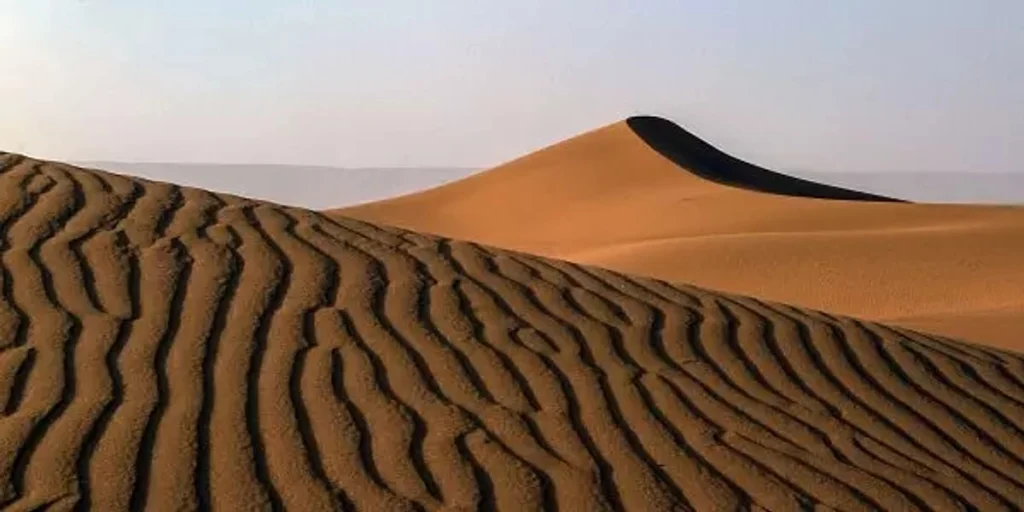
Erg Chigaga is one of Morocco’s two major ergs (dune formations) and represents the country’s most pristine desert wilderness. Unlike its more famous cousin near Merzouga, this vast sea of sand stretches across approximately 40 kilometers of untouched terrain in southwestern Morocco. The name itself evokes mystery; “Chigaga” may derive from the sound of wind whistling through the dunes or from the silence that envelops this remote landscape.
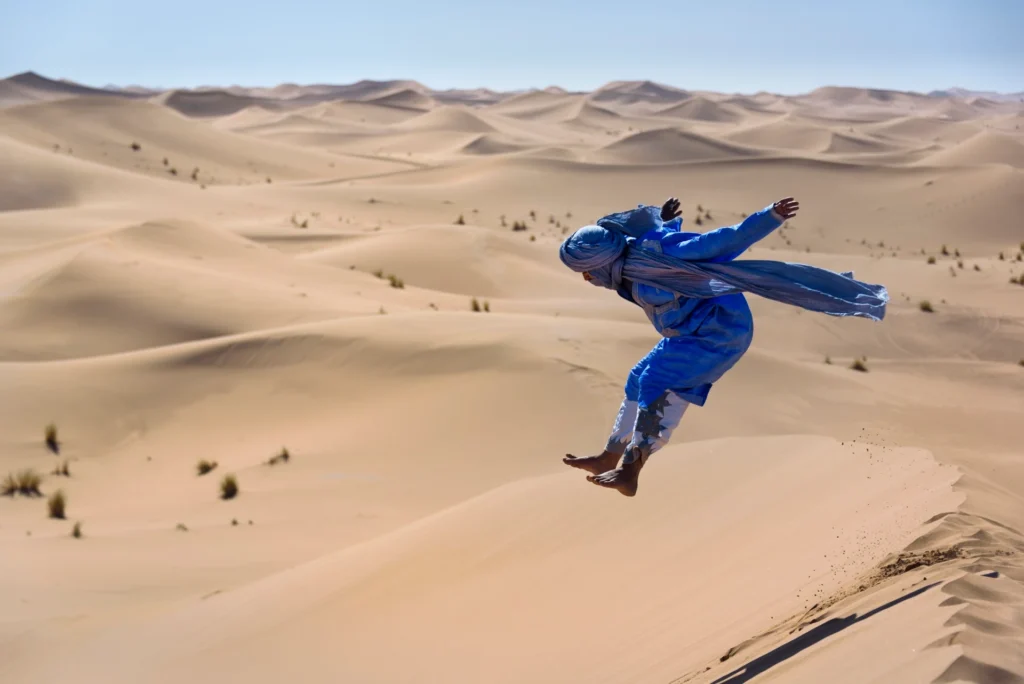
The dune formations here are spectacular, with golden and red sands sculpted by millennia of wind into dramatic peaks and valleys. These aren’t just any dunes; they’re among the tallest in the Moroccan Sahara, creating a landscape that feels more like another planet than anything you’ll find in everyday life.
Where is Erg Chigaga Located?
Located in the Zagora province of southeastern Morocco, Erg Chigaga sits approximately 45 kilometers from M’hamid El Ghizlane, the last village before the Algerian border. The nearest significant towns are M’hamid to the northeast and Foum Zguid to the northwest. This positioning places it firmly within the greater Sahara Desert, bordering Iriqui National Park, a protected area that adds to the region’s ecological significance.
The geographical isolation that makes Erg Chigaga so special also means it requires genuine commitment to reach. There are no paved roads leading directly to the dunes, ensuring that only those willing to embark on an adventure make the journey.
Why Choose Erg Chigaga Over Other Deserts?
Authenticity: This is the Sahara as it has existed for millennia, untouched by mass tourism. You won’t find permanent hotels, souvenir shops, or crowds of tour buses here.
True Wilderness: The Erg Chigaga experience means traveling through diverse terrain, stone desert, dried lake beds, and acacia groves, before reaching the spectacular dunes.
Cultural Encounters: The nomadic families who still traverse this region offer genuine cultural exchanges rather than staged performances.
Adventure Factor: Getting here requires 4×4 vehicles or extended camel treks, making the journey itself part of the adventure.
Pristine Night Skies: With zero light pollution, the stargazing is world-class, perfect for astrophotography or simply contemplating our place in the universe.
Key Facts at a Glance
Location: 45 km from M’hamid El Ghizlane, Zagora Province
Dune Height: Up to 300 meters
Area: Approximately 40 km long, 300 km²
Best Season: October to May
Access: 4×4 vehicle or camel trek only
Nearest Airport: Ouarzazate (approximately 240 km)
Altitude: 700-800 meters above sea level
Climate: Desert (extreme temperatures, minimal rainfall)
Planning Your Erg Chigaga Adventure: Getting There
Gateways to Erg Chigaga
Understanding how to get to Erg Chigaga is crucial for planning your adventure. The two primary access points each offer distinct advantages.
From Marrakech via M’hamid El Ghizlane (Approximately 560 km, 8-9 hours)
This is the most popular route, taking you through spectacular scenery including the High Atlas Mountains via the Tizi n’Tichka pass, the UNESCO World Heritage site of Aït Benhaddou, and the Draa Valley with its endless palm groves. Most Erg Chigaga tour operators use this route for multi-day excursions.
The journey breaks down as follows:
- Marrakech to Ouarzazate: 3.5-4 hours
- Ouarzazate to Zagora: 2.5-3 hours
- Zagora to M’hamid: 1.5 hours
- M’hamid to Erg Chigaga: 2-3 hours by 4×4 (45 km)
From Foum Zguid (Northern approach)
This less-traveled route offers a more adventurous journey through the Draa-Tafilalet region. The landscape transitions from stone desert to sand sea more gradually, creating a spectacular approach to the dunes. This route is ideal for travelers coming from Agadir or those seeking a circular itinerary that avoids retracing steps.
From Fes and Other Cities
Multi-day tours from Fes typically take 3-4 days minimum, allowing time to properly experience both the journey and destination. These itineraries often include stops at the Middle Atlas cedar forests, Todra Gorge, and other highlights before reaching the Sahara Desert in Morocco.
Detailed Itineraries from M’hamid
2-Day Express Erg Chigaga Tour
Day 1: Depart M’hamid mid-morning in 4×4 vehicles, crossing the sacred oasis (Oasis Sacre), passing dried lake Iriqui, and arriving at the dunes by late afternoon. Witness sunset from the highest dune, enjoy a traditional dinner and music at camp, with spectacular stargazing.
Day 2: Wake for sunrise, breakfast, then return journey to M’hamid, arriving by midday.
Best for: Travelers with limited time who want a taste of the Erg Chigaga experience without extensive commitment.
3-Day Classic Adventure
Day 1: Slower journey from M’hamid with stops at nomadic settlements, seasonal wetlands, and geological formations. Afternoon arrival at the dunes, sunset camel trek.
Day 2: Full day exploring the dune field, sandboarding, photography sessions, visiting different camps, and extended camel trekking. Optional visit to nomadic families or exploration of the stone desert margins.
Day 3: Sunrise photography session, leisurely breakfast, alternative return route through different terrain, arriving M’hamid afternoon.
Best for: Travelers who want to fully immerse in the desert experience with time for various activities.
4-Day Immersive Journey
This extended itinerary includes everything in the 3-day tour plus additional cultural experiences, longer camel treks (possibly covering the entire journey from M’hamid), nights at different camps, and exploration of Iriqui National Park’s diverse landscapes.
Best for: Photography enthusiasts, cultural explorers, and those seeking the most comprehensive Erg Chigaga experience.
Detailed Itineraries from Foum Zguid
The northern approach via Foum Zguid typically requires longer itineraries (minimum 3 days) due to the greater distance and rougher terrain. However, this route rewards travelers with incredibly diverse landscapes and far fewer tourist encounters.
3-Day Adventure Route
Day 1: Depart Foum Zguid, crossing the reg (stone desert) with dramatic landscapes. Lunch stop at a remote settlement. Afternoon arrival at the northern reaches of Erg Chigaga. Camp location differs from the M’hamid approach, offering unique perspectives.
Day 2: Exploration day, similar to M’hamid itineraries but with a focus on the northern dune formations and different cultural encounters.
Day 3: Departure via the M’hamid route, creating a circular journey through varied terrain.
Transportation Options
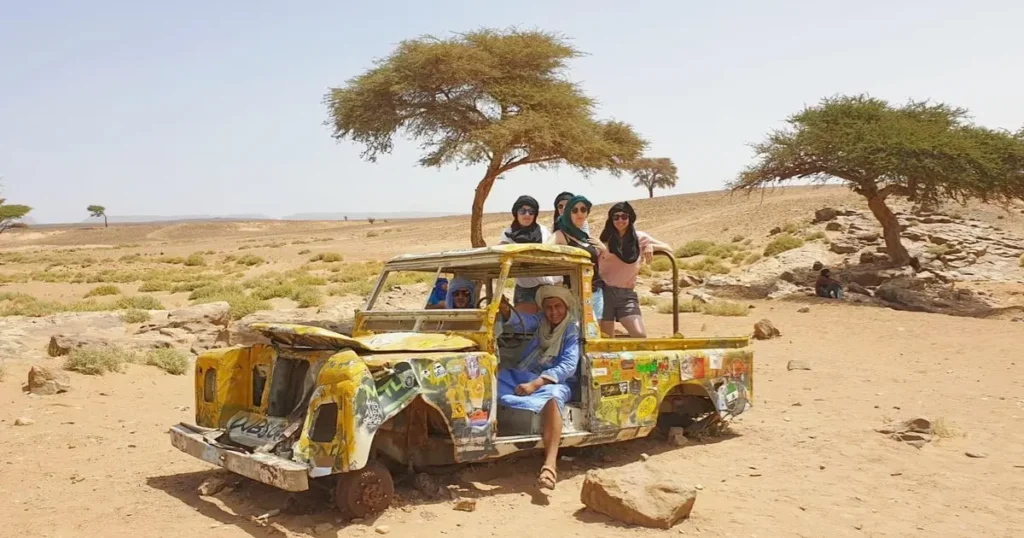
4×4 Vehicles: Essential for reaching Erg Chigaga. Most tours use Toyota Land Cruisers or similar robust vehicles capable of handling sand, rocks, and challenging terrain. Experienced drivers who know the unmarked routes are crucial.
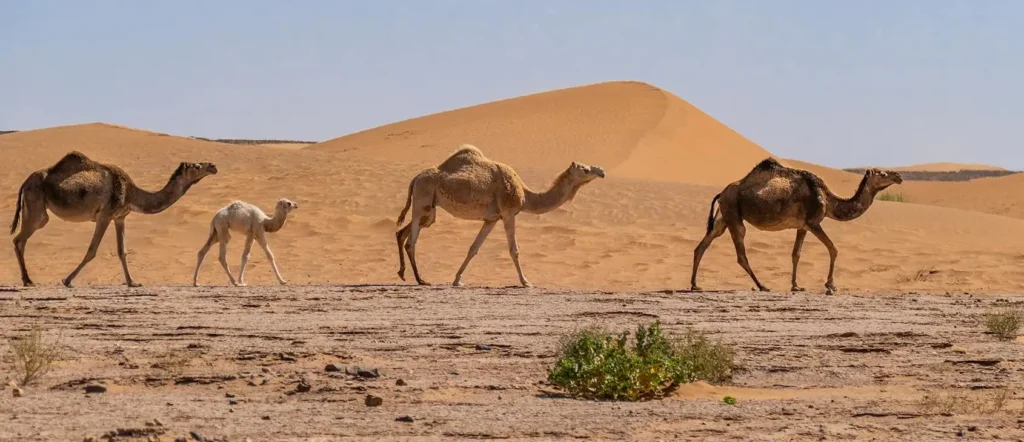
Camel Trekking: While few travelers complete the entire journey by camel (it would take 2-3 days from M’hamid), shorter camel treks are integral to the authentic experience. Most itineraries include at least a sunset or sunrise camel ride.
Hybrid Options: Many tours combine 4×4 transport with substantial camel trekking segments, offering the best of both worlds, efficiency and authentic desert travel.
Private Transfers: For maximum comfort and flexibility, private vehicles with professional drivers allow custom stopping points and pace control.
Logistics & Permits
While Erg Chigaga doesn’t require special permits for tourists, traveling with licensed operators ensures compliance with regional regulations and national park guidelines. Your tour operator should handle all necessary arrangements, including national park fees for Iriqui if applicable.
The Erg Chigaga Experience: What to Do & See
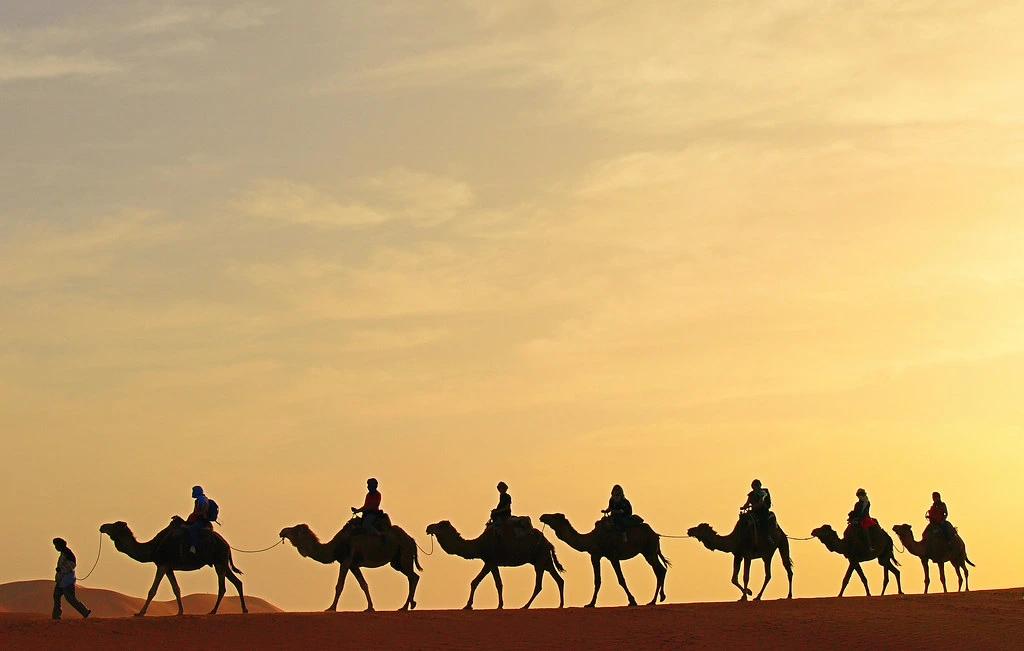
Camel Trekking: The Quintessential Desert Journey
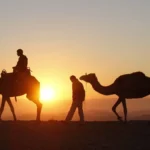
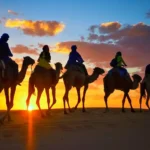
No visit to the Sahara Desert in Morocco is complete without experiencing camel trekking. These “ships of the desert” have transported travelers across these sands for centuries, and riding one connects you directly to that ancient tradition.
Comfort Tips for Camel Trekking:
- Wear long, loose clothing to prevent chafing
- Use the provided blankets and saddles for cushioning
- Hold the saddle handle firmly during standing and sitting
- Lean back when the camel stands, forward when it sits
- Bring sunglasses and a head covering (essential)
- Don’t rush, camels move at their own pace
Most Erg Chigaga tours include at least one extended camel trek, typically at sunset or sunrise when temperatures are moderate and lighting is spectacular. The swaying rhythm and peaceful pace create a meditative experience that’s far removed from our usual rushed existence.
Desert Camps: Where Wilderness Meets Comfort
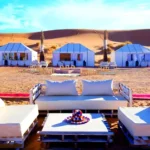
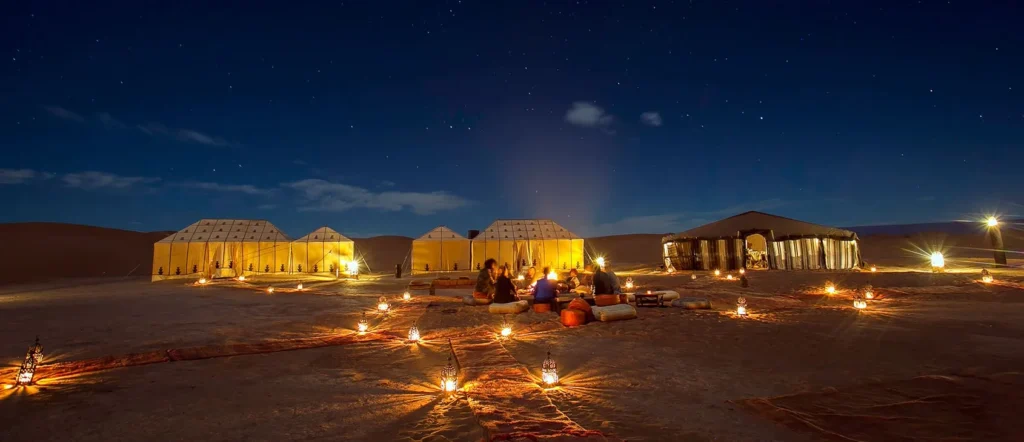
Accommodation in Erg Chigaga ranges from traditional Berber tents to luxury camps with private facilities, but all share the fundamental experience of sleeping under star-filled skies.
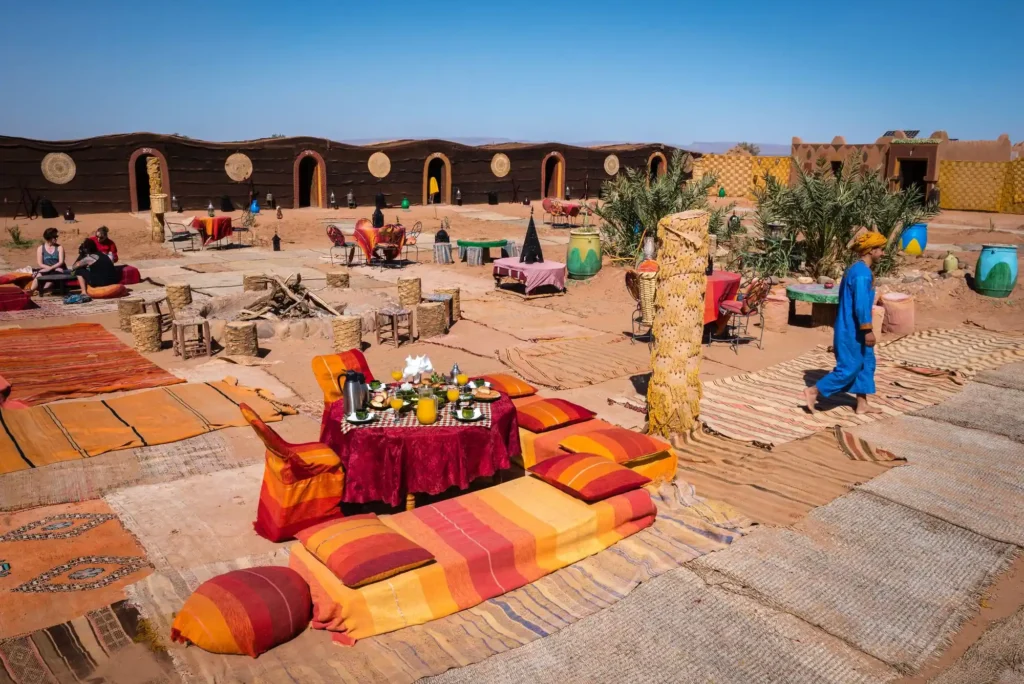
Standard Desert Camps offer comfortable mattresses, traditional rugs and cushions, shared bathroom facilities, and communal dining. These camps emphasize authentic experience over luxury, with traditional music, campfire gatherings, and genuine cultural exchange.
Luxury Desert Camps provide private tents with en-suite bathrooms, higher-end bedding, more sophisticated cuisine, and additional amenities while maintaining the essential desert experience. Some offer solar power for device charging, though embracing disconnection is part of the appeal.
What to Expect: Regardless of camp style, you’ll enjoy traditional tagine dinners, mint tea ceremonies, Berber music and drumming (often with guest participation), brilliant stargazing opportunities, and profound silence broken only by natural sounds.
Dune Bashing & Sandboarding: Adrenaline in the Sahara
For adventure seekers, the towering dunes offer thrilling activities. Experienced drivers navigate the challenging terrain in 4×4 vehicles, climbing steep dune faces and descending at exhilarating angles. The sensation of cresting a massive dune and plunging on the other side is unforgettable.
Sandboarding provides a more independent thrill. Whether you’re an experienced snowboarder or a complete beginner, gliding down golden dunes offers unique excitement. The soft sand ensures a relatively safe landing even when (inevitably) you tumble, and the climb back up provides excellent exercise and changing perspectives on the landscape.
Stargazing & Astrophotography: Darkness as Attraction
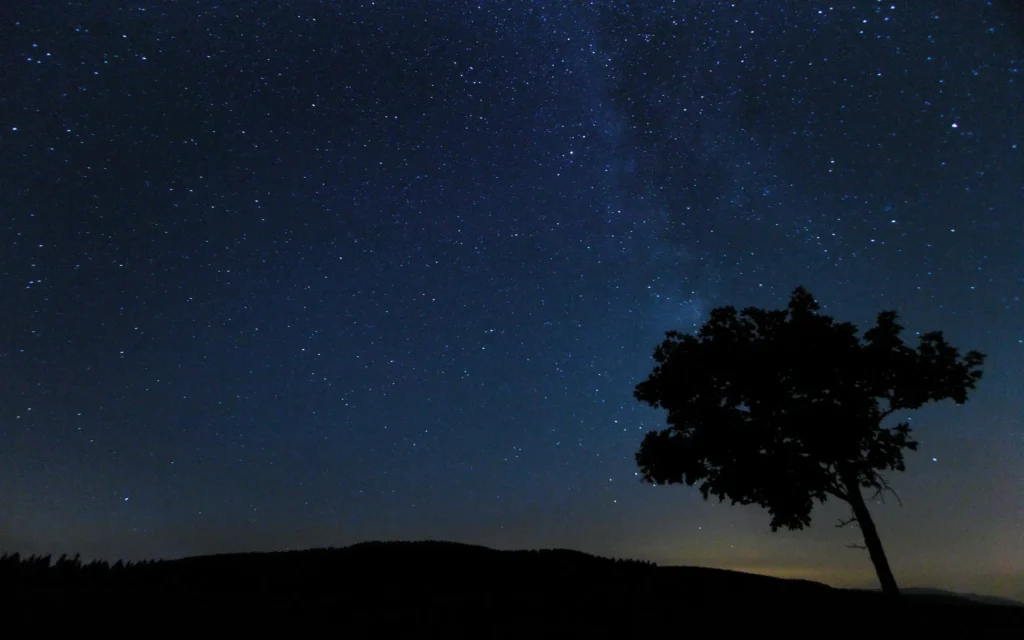
The Erg Chigaga experience includes some of the world’s best stargazing conditions. With zero light pollution and high altitude, the night sky reveals itself in overwhelming detail. The Milky Way appears as a luminous river across the heavens, planets shine with remarkable clarity, and meteor showers (particularly August’s Perseids) create natural fireworks displays.
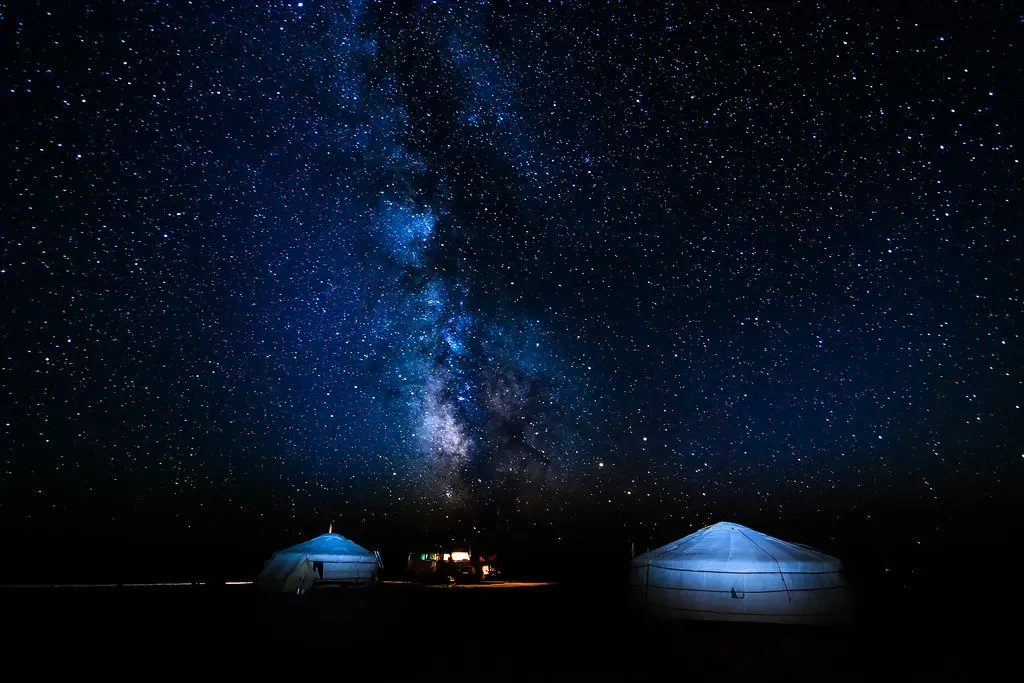
Astrophotography Tips:
- Bring a sturdy tripod (sand can be unstable)
- Use wide-angle lenses (14-24mm ideal)
- Start with 20-30 second exposures at f/2.8, ISO 3200
- Shoot in RAW format for maximum editing flexibility
- Include dune silhouettes for compelling foreground elements
- Allow extra batteries (cold nights drain power quickly)
Many camps can arrange for lights to be minimized during prime stargazing hours, and some offer telescope viewing or guided astronomy sessions.
Sunrise & Sunset over the Dunes: Golden Hours
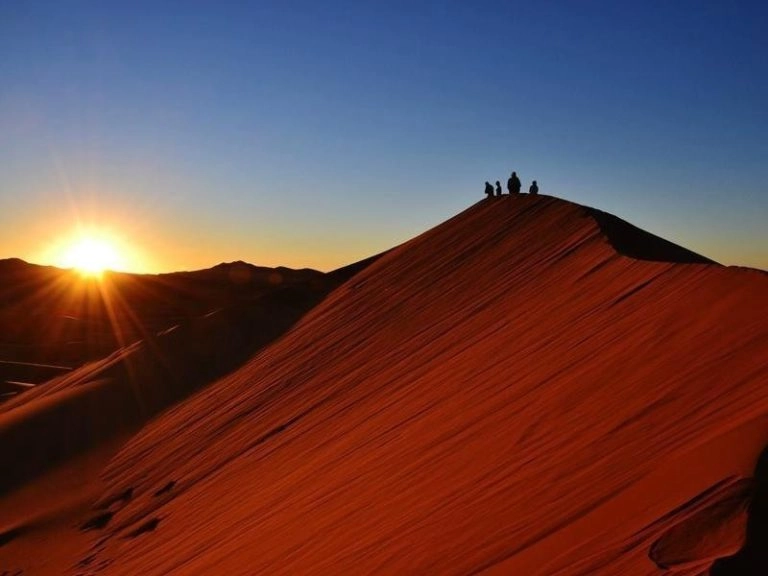
The quality of light during sunrise and sunset transforms the Erg Chigaga desert into an otherworldly landscape. Shadows between dunes create a dramatic contrast, while the sand itself seems to glow in shades from deep orange to pale pink.
Best Practices:
- Climb to viewpoints at least 30 minutes before sunrise/sunset
- Bring layers (temperature drops quickly after sunset)
- Explore different dune perspectives both days if staying multiple nights
- Sunset typically draws crowds to popular viewpoints; sunrise offers more solitude
- The hour after sunset (“blue hour”) provides magical photography conditions
Visiting Nomadic Families: Cultural Immersion
Some Erg Chigaga tour itineraries include visits to nomadic families who continue traditional lifestyles in this challenging environment. These encounters provide genuine insight into Saharan culture, desert survival strategies, and ancient traditions.
Important Considerations:
- Always visit with an experienced guide who has relationships with these families
- Bring small gifts (tea, sugar, and dates are traditional)
- Ask permission before photographing
- Respect privacy and understand that you’re a guest in their home
- Be prepared for language barriers (guides translate)
- Learn basic greetings in Arabic or Berber
These interactions aren’t staged tourist shows but genuine cultural exchanges. The hospitality, resourcefulness, and contentment you’ll encounter often prove as impactful as the landscape itself.
Oases & Dry Lakes: Ecological Diversity
The journey to Erg Chigaga takes you through varied ecosystems beyond the pure sand desert. Iriqui National Park encompasses ancient lake beds (Lac Iriqui) that occasionally fill after rare rains, creating temporary wetlands that attract migratory birds and wildlife. Acacia groves provide shade and sustenance for both nomadic herds and wildlife.
These ecological transitions demonstrate the Sahara’s complexity and resilience. The sacred oasis near M’hamid, with its palm groves and water sources, shows how life persists in seemingly impossible conditions.
Music & Culture: Rhythms of the Desert
Evening entertainment at desert camps typically includes traditional Berber music and drumming. The hypnotic rhythms, created with bendir drums and call-and-response singing, have roots stretching back centuries. Guests are usually invited to participate, learning basic rhythms and joining the communal experience.
Some camps also feature Gnawa music, with its spiritual African roots and trance-inducing repetitive patterns. These musical traditions aren’t performances for tourists; they’re living cultural practices that camps share with visitors.
Unique Activities
Hot Air Ballooning: While not widely available, some premium operators offer balloon flights over the dunes during optimal weather conditions (primarily winter months). The perspective from above reveals patterns and formations invisible from ground level.
Desert Yoga: Several luxury camps now offer sunrise or sunset yoga sessions, combining meditation practice with the desert’s natural tranquility. The experience of sun salutations atop a sand dune creates powerful mind-body connections.
Photography Workshops: Some specialized Erg Chigaga tours focus on photography, with professional guidance on landscape, astro, and cultural photography techniques.
Best Time to Visit Erg Chigaga
Understanding the best time to visit Erg Chigaga is crucial for maximizing your experience and comfort.
Seasonal Breakdown
October to May: Peak Season (Ideal)
This extended period offers the most comfortable conditions for desert exploration. Daytime temperatures range from pleasant (20-30°C / 68-86°F) to warm, while nights can be surprisingly cold (sometimes near freezing in December-January).
October-November: Excellent conditions with moderate temperatures both day and night. Crowds remain relatively low even during this pleasant period. The desert begins cooling from summer’s extreme heat.
December-February: Peak season with the most predictable weather. Daytime is warm and pleasant, perfect for hiking and camel trekking. Nights are cold (bring warm layers). This is the best time to visit Erg Chigaga for those sensitive to heat.
March-May: Temperatures begin rising, but conditions remain generally pleasant. March and April offer the best balance of comfortable temperatures and fewer visitors. By May, daytime heat intensifies significantly.
June to September: Off-Season (Challenging but Possible)
Summer brings extreme heat to the Sahara Desert in Morocco. Daytime temperatures frequently exceed 45°C (113°F), making midday activities uncomfortable or potentially dangerous. However, for hardy travelers, this season offers unique advantages:
- Dramatically lower prices
- Virtually no other tourists
- Spectacular heat mirages and light effects
- Ultimate solitude and silence
If visiting during summer, plan activities for early morning and evening, stay thoroughly hydrated, and accept a slower pace. Many camps close or operate with reduced services during peak summer months.
Weather Expectations
Daytime Temperatures:
- Winter (Dec-Feb): 15-25°C (59-77°F)
- Spring/Fall (Mar-May, Oct-Nov): 25-35°C (77-95°F)
- Summer (Jun-Sep): 40-50°C (104-122°F)
Nighttime Temperatures:
- Winter: 0-10°C (32-50°F), occasionally below freezing
- Spring/Fall: 10-20°C (50-68°F)
- Summer: 20-30°C (68-86°F)
Sandstorms: Possible year-round but more common during seasonal transitions (spring and fall). These typically last hours rather than days, but can temporarily disrupt travel plans.
Rainfall: Extremely rare but possible. When rain does fall, it can be intense but brief, occasionally creating temporary flooding in wadis (dry riverbeds).
Event Calendar
International Nomads Festival (M’hamid): Usually held in March, this three-day celebration features traditional music, camel racing, desert sports, and cultural exhibitions. Attending before or after an Erg Chigaga tour provides a deeper cultural context.
Date Harvest Festival: If visiting in October, you may encounter celebrations in oasis communities as date palms yield their annual harvest.
Islamic holidays (dates vary annually based on the lunar calendar) can affect services and create opportunities for cultural observance. Check dates when planning your trip.
Choosing Your Erg Chigaga Tour & Camp
Types of Tours: Finding Your Perfect Fit
Private Tours: Offer maximum flexibility with customized itineraries, personal guide attention, and the ability to adjust plans based on conditions or interests. Ideal for families, couples seeking romance, photographers needing specific timing, or anyone valuing privacy and personalization.
Small Group Tours: Balance social experience with reasonable cost. Groups typically range from 4-12 participants, allowing interaction with fellow travelers while maintaining quality service. It often attracts solo travelers and those wanting to share the adventure.
Budget Tours: Focus on essential experiences with simpler accommodations and basic meals. These make the Erg Chigaga experience more accessible financially while still providing authentic desert encounters.
Luxury Tours: Include premium camps with private facilities, gourmet meals, additional amenities, and often longer itineraries with more cultural experiences. Worth the investment for milestone trips or travelers prioritizing comfort.
What to Look For in a Reputable Tour Operator
Selecting the right operator is crucial for a safe, enjoyable, and ethical Erg Chigaga experience.
Essential Qualifications:
- Official tourism licensing from Moroccan authorities
- Experienced, licensed drivers familiar with desert navigation
- Well-maintained 4×4 vehicles suitable for conditions
- Professional guides with cultural and environmental knowledge
- Comprehensive insurance coverage
- Clear, written agreements detailing what’s included
- Responsive communication and transparent pricing
Quality Indicators:
- Detailed, realistic itinerary descriptions
- Genuine reviews from verified travelers (check multiple platforms)
- Clear safety protocols and emergency procedures
- Ethical approach to cultural interactions and environmental protection
- Flexibility to accommodate dietary restrictions or special needs
- Professional website and communications
Red Flags:
- Significantly cheaper prices than market average (often indicates poor safety, service, or ethical standards)
- Vague itineraries or reluctance to provide details
- Pressure tactics or demands for full payment up front
- Poor vehicle condition or unlicensed operators
- No verifiable business presence or contact information
Choosing a Desert Camp
The camp you select significantly impacts your Erg Chigaga experience. Consider these factors:
Location: Camps deeper in the dune field offer more isolation and dramatic surroundings but require longer transfers. Edge locations provide easier access but may have more nearby camps.
Amenities: Decide what matters most: private bathrooms, electricity, hot showers, and comfortable bedding. Balance comfort desires against authentic experience priorities.
Sustainability Practices: Look for camps using solar power, proper waste management, water conservation, and supporting local communities. Responsible operators should be transparent about their environmental practices.
Cultural Authenticity: The best camps balance modern comfort with traditional elements, offering genuine Berber hospitality rather than staged performances.
Size: Smaller camps (8-16 guests) typically offer more intimate experiences and better service. Larger camps may have more amenities but less personal attention.
Sample Itineraries & Pricing Guidance
Budget 2-Day Tour from M’hamid: €120-180 per person (group tour, standard camp, basic meals)
Mid-Range 3-Day Tour from Marrakech: €280-450 per person (small group, comfortable camp, good meals, cultural activities)
Luxury Private 3-Day Tour: €600-900 per person (private guide and vehicle, luxury camp, premium meals, flexible itinerary)
Extended 4-5 Day Adventure: €400-750 per person (varies widely based on group size, accommodation level, and included activities)
Prices typically include: Transportation, guide, meals in the desert, camp accommodation, and some activities (camel trekking, sandboarding)
Usually not included: Drinks beyond water and tea, personal expenses, tips for guides and drivers, travel insurance
Always clarify exactly what’s included before booking and confirm whether prices are per person or for the entire group.
Practical Tips & What to Pack
Health & Safety Essentials
Hydration: Desert conditions cause rapid dehydration. Drink water consistently, even when not feeling thirsty. Most tours provide adequate water, but bring a refillable bottle and water purification tablets for backup.
Sun Protection: The Sahara sun is intense year-round. Essential items include:
- High SPF sunscreen (50+ recommended) applied frequently
- Wide-brimmed hat or headscarf
- Sunglasses with UV protection
- Lightweight long sleeves and pants
- Lip balm with SPF
First Aid: While tours should carry comprehensive kits, bring personal medications, blister treatment, anti-diarrheal medication, antihistamines, and any prescription medications with extra supplies.
Desert Sickness Prevention: Motion sickness during 4×4 travel affects many visitors. Bring medication if susceptible, sit in front if possible, focus on the horizon, and request stops when needed.
Comprehensive Packing List
Clothing:
- Lightweight, loose-fitting long pants (protect from sun and sand)
- Long-sleeve shirts (cotton or moisture-wicking fabrics)
- Warm layers for evening (fleece or light jacket, even in summer)
- Comfortable walking shoes with ankle support
- Sandals for camp
- Headscarf or cheche (traditional desert wrap, usually provided)
- Hat for sun protection
- Warm sleeping layers for winter visits
Technical Items:
- Camera with extra batteries and memory cards
- Phone with downloaded maps (limited connectivity)
- Portable power bank (solar chargers are useful)
- Headlamp or flashlight
- Universal power adapter
Personal Items:
- Toiletries in travel sizes
- Wet wipes (showers may be limited)
- Hand sanitizer
- Biodegradable toilet paper
- Moisturizer (dry air affects skin)
- Small towel (quick-dry type)
Extras:
- Small backpack for day activities
- Plastic bags for protecting electronics from sand
- Notebook and pen
- Book for quiet moments
- Binoculars for wildlife and landscape viewing
- Small gifts for visiting nomadic families
Leave at Home: Valuable jewelry, excessive electronics, single-use plastics, rigid expectations
Cultural Etiquette
Respecting local customs enhances your experience and demonstrates appreciation for your hosts:
Dress Modestly: Morocco is relatively moderate, but desert communities are conservative. Cover shoulders and knees, especially when visiting nomadic families or small villages.
Photography Etiquette: Always ask permission before photographing people, particularly women. Some may decline or request payment. Respect religious sites and private spaces.
Greetings: Learn basic Arabic or Berber greetings. “Salam alaykum” (peace be upon you) and “Shukran” (thank you) go far in establishing rapport.
Religious Respect: Prayer times structure daily life for many. Be understanding if activities pause for prayers. During Ramadan, avoid eating, drinking, or smoking in public during daylight hours.
Gender Considerations: Traditional gender roles remain strong in rural areas. Women travelers may experience curiosity but typically receive respect. Men should avoid excessive attention toward local women.
Gift Giving: If invited to tea or meals, small gifts (dates, tea, sugar) are appreciated but not required. Avoid expensive gifts that create an uncomfortable imbalance.
Connectivity: Embracing Digital Detox
The Erg Chigaga desert offers something increasingly rare: genuine disconnection. Most areas have no mobile signal, and camps rarely provide Wi-Fi (by design rather than limitation).
Embrace this opportunity: The absence of connectivity enhances the experience, allowing full presence in the moment, better sleep without screen time, genuine conversation with fellow travelers, and profound appreciation for natural rhythms.
Practical Preparations: Download offline maps and travel information before departure, inform family/work of communication blackout periods, set out-of-office messages, and charge devices before departure for camera use.
Emergency Communications: Reputable operators carry satellite phones for emergencies. Confirm this before booking.
Erg Chigaga vs. Erg Chebbi (Merzouga): A Detailed Comparison
Choosing between these two Saharan destinations is one of the most common questions for travelers. Both offer stunning dunes and authentic desert experiences, but they cater to different priorities.
| Factor | Erg Chigaga | Erg Chebbi (Merzouga) |
|---|---|---|
| Accessibility | Remote: 45 km from M’hamid via unmarked tracks, 4×4 required, 2-3 hours off-road | Accessible: Paved road to village edge, easy access, 1 hour from Erfoud |
| Remoteness | Truly isolated, wilderness setting, no permanent development | Adventure itself: crossing the stone desert, dry lakes, varied terrain |
| Dune Height | Up to 300m, among Morocco’s highest | Up to 150m, still impressive |
| Dune Area | 40 km long, vast and varied | 28 km long, more compact |
| Crowding | Minimal visitors, genuine solitude possible | More accessible, organized, and easier logistics |
| Atmosphere | Wild, adventurous, authentic desert wilderness | Settled area with hotels, restaurants, and development visible from the dunes |
| Journey | Straightforward: Atlas Mountains, oases, valleys, direct route | Generally, 20-30% higher due to logistics |
| Cost | Possible as an overnight trip, typically 2-3 days | More competitive pricing due to easier access |
| Tour Length | Minimum 2 days, ideally 3-4 days | Camel trekking, sandboarding, stargazing, and cultural immersion |
| Activities | Camel trekking, sandboarding, stargazing, cultural immersion | Same activities plus quad biking, more organized activities |
| Camps | Authentic, simple to luxury, all temporary structures | Range from basic to very luxurious permanent camps |
| Best For | Adventure seekers, those wanting true wilderness, photographers seeking unique landscapes | First-time desert visitors, families with young children, shorter timeframes |
Our Recommendation: Who Should Choose Which?
Choose Erg Chigaga if you:
- Value authentic wilderness over convenience
- Have at least 2-3 days for the full experience
- Embrace adventure and unpredictability
- Want to escape crowds and tourist infrastructure
- Seek the Sahara as it has existed for centuries
- Are comfortable with rustic conditions (even in luxury camps)
- Want to genuinely disconnect from modern life
Choose Erg Chebbi (Merzouga) if you:
- Have limited time (1-2 days)
- Prefer easier accessibility
- Travel with young children or elderly family members
- Want more luxurious amenities and services
- Appreciate organized activities and clear structure
- Need reliable communication access
- First-time desert visitors wanting an introduction
The Truth: Both destinations offer spectacular Sahara experiences. Many Moroccan veterans visit both, appreciating each for different reasons. If choosing one, prioritize your travel style and what matters most: Merzouga wins on convenience and infrastructure; Erg Chigaga wins on authenticity and wilderness.
Sustainability & Responsible Tourism in Erg Chigaga
The very remoteness that makes Erg Chigaga special also makes it vulnerable. As travelers increasingly seek authentic experiences, our responsibility to protect these environments intensifies.
Environmental Impact
The Sahara ecosystem, despite appearing barren, maintains a delicate balance. Tourism can threaten this through:
Waste Generation: Plastics, non-biodegradable materials, and improperly disposed waste can persist for decades in the dry climate. Support operators using reusable containers, proper waste removal systems, and minimal packaging.
Water Usage: Water is precious in desert environments. Be mindful of usage, take quick showers when available, and support camps with water conservation practices.
Vegetation Damage: The sparse vegetation provides crucial habitat and prevents erosion. Stay on established paths and never pick plants or damage trees.
Wildlife Disruption: While wildlife sightings are rare, various species inhabit this ecosystem. Observe from a distance without approaching or feeding animals.
Supporting Local Communities
Responsible tourism should benefit the communities hosting us:
Choose Local Operators: Prioritize Moroccan-owned companies employing local guides and drivers. This ensures tourism revenue stays within communities rather than flowing to international corporations.
Fair Wages: While you may never know guide or driver compensation directly, operators committed to ethical practices typically promote fair employment terms.
Cultural Exchange: Engage respectfully with local communities, purchase authentic handicrafts directly from artisans when possible, and approach cultural experiences as learning opportunities rather than entertainment.
Community Projects: Some operators contribute portions of profits to local schools, water projects, or healthcare. Ask about these initiatives when booking.
Leave No Trace Principles
Adapt traditional Leave No Trace principles to the desert environment:
- Plan and Prepare: Travel with reputable operators who follow environmental protocols
- Travel on Durable Surfaces: Stick to established tracks; avoid creating new paths
- Dispose of Waste Properly: Pack out everything you bring in, including biodegradable items
- Leave What You Find: Don’t collect rocks, fossils, or artifacts (some are protected by law)
- Minimize Campfire Impact: Use established fire areas only; never create new burn scars
- Respect Wildlife: Observe from a distance; never feed or approach animals
- Be Considerate: Respect other visitors’ experience through appropriate behavior and noise levels
Our Commitment
At Desert Merzouga Tours, we recognize that sustainable tourism isn’t optional; it’s essential for preserving the experiences we share. Our practices include partnering with camps demonstrating environmental responsibility, employing local guides and drivers from desert communities, minimizing single-use plastics across all tours, supporting water conservation initiatives, contributing to community development projects, and continuously educating travelers about responsible desert visitation.
By choosing operators committed to sustainability, you help ensure future generations can experience the Erg Chigaga desert as you do today.
Frequently Asked Questions (FAQ)
Is Erg Chigaga worth it?
Absolutely, if you value authentic wilderness experiences over convenience. The journey to Erg Chigaga is challenging, requiring time and commitment, but it rewards you with genuine solitude, dramatic landscapes, and a profound connection to the Sahara that’s increasingly rare.
Travelers consistently describe it as transformative, citing the silence, stars, and sense of remoteness as unforgettable. However, if time is extremely limited or you prefer easier accessibility, Erg Chebbi near Merzouga offers excellent desert experiences with less logistical complexity.
How many days for Erg Chigaga?
Minimum 2 days, ideally 3-4 days. A 2-day itinerary provides the essential experience—sunset, overnight camping, sunrise, and the journey there and back. However, this feels rushed, especially when traveling from Marrakech. Three days allow proper immersion: one day traveling to the dunes, a full day exploring and experiencing desert activities, and one day returning.
This pace reduces exhaustion and increases enjoyment. Four to five days enables the ultimate experience with extended camel trekking, visits to nomadic families, exploration of Iriqui National Park, multiple camps, and the flexibility to truly disconnect. Consider your available time, physical comfort with long drives, and whether you want to feel you’ve experienced Erg Chigaga or rushed through it.
What is the best way to see Erg Chigaga?
The best approach combines 4×4 transportation for the journey with substantial camel trekking within the dunes themselves. This hybrid method offers efficiency in reaching the remote location while preserving authentic desert travel once there.
For the optimal Erg Chigaga tour experience, book with reputable operators offering small group or private tours, allowing flexibility and personal attention. Start from M’hamid for the classic approach or Foum Zguid for more adventure. Plan for at least one full day actually in the dunes rather than just traveling.
Choose accommodation matching your comfort needs, but embrace some rustic elements; they’re part of the authentic experience. Time your visit during the cooler months (October-May) for comfort. Most importantly, approach with open expectations, allowing the desert to reveal itself on its own terms rather than rushing through a checklist of activities.
Can you visit Erg Chigaga independently?
Technically possible for experienced off-road drivers with proper equipment, but strongly discouraged. The challenges include navigation through an unmarked desert with no road signs or GPS reliability, sand driving requiring specialized skills and appropriate vehicles, isolation with no services or help if problems arise, environmental concerns from improper route selection, and legal complications if requiring rescue.
Most importantly, the cultural and geographical insights professional guides provide significantly enhance the experience. The modest additional cost of organized tours provides safety, local economic support, reduced environmental impact, and stress-free logistics. Independent exploration makes sense in many destinations, but Erg Chigaga is genuinely a remote wilderness where professional guidance isn’t a luxury; it’s prudent planning.
Save independent exploration for established trails and focus your Erg Chigaga visit on experiencing rather than navigating.
What should I wear in Erg Chigaga?
Layers are essential. During the day, wear lightweight, loose-fitting long pants and long-sleeve shirts in light colors (protecting from the sun while staying cooler than exposed skin). Natural fabrics like cotton breathe better than synthetics, though moisture-wicking technical fabrics work well.
Cover your head with a wide-brimmed hat or traditional cheche (desert scarf). For evenings and early mornings, even in summer, bring warm layers, a fleece jacket, long pants, and possibly a light down jacket for winter visits when temperatures can drop near freezing. Footwear should be comfortable, closed-toe shoes with ankle support for walking on sand and rocks; bring camp sandals for relaxing.
Sunglasses are absolutely essential. For cultural respect, dress modestly with shoulders and knees covered, especially when visiting villages or nomadic families. Avoid bright whites that show every speck of sand and darks that absorb excessive heat. The desert environment is hard on clothing, bring items you don’t mind getting sandy and potentially damaged.
Is Erg Chigaga safe?
Yes, when visiting with reputable tour operators. The Sahara Desert in Morocco, including Erg Chigaga, is generally very safe for tourists. The primary risks are environmental rather than security-related: extreme heat in summer months (plan accordingly), dehydration (drink water constantly), navigation challenges (why professional guides matter), and vehicle breakdowns (reputable operators maintain equipment properly).
The local Berber and nomadic populations are known for hospitality rather than hostility toward visitors. Morocco overall maintains a strong tourism infrastructure and security. Common-sense precautions include traveling with licensed operators, following guide instructions, staying hydrated and sun-protected, informing others of your itinerary, and carrying travel insurance. Medical emergencies are the most significant concern given the remoteness; operators should have satellite communication and emergency protocols. Women travelers report feeling safe, though conservative dress and behavior respect local customs. The biggest “danger” is falling so in love with the desert that you struggle to return to ordinary life.
Conclusion: Your Erg Chigaga Adventure Awaits
Standing at the precipice of your Erg Chigaga adventure, you’re not simply planning another vacation; you’re preparing for an experience that transcends typical tourism. This isn’t a destination you visit casually or check off a list. Erg Chigaga demands commitment, rewarding that investment with something increasingly precious in our hyper-connected world: genuine connection to wild places, ancient cultures, and our own capacity for wonder.
The remoteness that makes the Erg Chigaga experience challenging is precisely what makes it unforgettable. When you climb those towering dunes at sunset, with silence broken only by wind-whispered sand, when the Milky Way overwhelms you with its brilliance, when you share tea with nomadic families whose ancestors traversed these same sands for millennia, these moments don’t just create memories. They shift perspective.
Whether you choose a quick 2-day excursion or an immersive 5-day journey, whether you travel in basic comfort or luxury style, the Sahara Desert in Morocco will work its magic. The specific tour matters less than your willingness to embrace the experience fully: to disconnect from devices, to accept discomfort alongside beauty, to move at desert pace rather than demanding instant gratification.
This comprehensive guide has equipped you with everything needed to plan your journey: understanding what makes Erg Chigaga unique, knowing how to get there from multiple starting points, choosing the best time to visit Erg Chigaga for your preferences, selecting reputable operators and appropriate accommodations, packing properly for desert conditions, and approaching the experience with cultural sensitivity and environmental responsibility.
The comparison with Erg Chebbi helps clarify that choosing Erg Chigaga means prioritizing authenticity over accessibility, wilderness over infrastructure, and adventure over comfort, though comfort is certainly available for those who seek it. This isn’t the desert experience for everyone, and that’s precisely what preserves its magic.
Plan Your Erg Chigaga Adventure Today
At Desert Merzouga Tours, we specialize in creating personalized Sahara experiences that balance adventure with comfort, authenticity with safety, and individual desires with sustainable practices. Our expert guides, many born in desert communities, don’t just navigate the physical landscape; they share cultural insights, historical context, and personal stories that transform sightseeing into genuine understanding.
We offer customized Erg Chigaga tours ranging from express 2-day adventures to comprehensive week-long journeys, accommodations from authentic Berber camps to luxury desert lodges, private tours for couples, families, and solo travelers seeking personalized experiences, small group tours for those wanting social connection, flexible itineraries combining Erg Chigaga with Morocco’s other highlights like Marrakech, the Atlas Mountains, and ancient kasbahs, and expert photography tours for capturing the desert’s extraordinary beauty.
Every journey we design prioritizes your safety, comfort, and authentic cultural exchange while supporting local communities and protecting the fragile desert environment. We handle all logistics, transportation, permits, accommodations, meals, and activities, allowing you to focus entirely on experiencing this extraordinary landscape.
Ready to Experience the Magic of Erg Chigaga?
Contact Desert Merzouga Tours today to begin planning your ultimate Sahara adventure. Whether you’re celebrating a milestone, seeking photography opportunities, craving disconnection from modern life, or simply wanting to experience one of Earth’s most spectacular landscapes, we’ll create an itinerary perfectly suited to your dreams.
The dunes of Erg Chigaga await. The stars shine with impossible brilliance. The silence speaks volumes. And the adventure of a lifetime is just one decision away.
Visit our website to explore detailed itineraries, view authentic photos from recent tours, read testimonials from fellow travelers, and connect with our expert team to start planning your personalized Erg Chigaga experience.
The Sahara has called travelers for millennia. Today, it’s calling you.
About Desert Merzouga Tours: We are Morocco’s premier provider of customized desert experiences, specializing in authentic, sustainable, and transformative journeys across the Sahara. With deep roots in Berber communities, expert local guides, and unwavering commitment to responsible tourism, we create adventures that respect both travelers and the extraordinary landscapes they explore. From the Atlas Mountains to the endless dunes of Erg Chigaga, we don’t just show you Morocco, we help you experience its soul.