Table of Contents
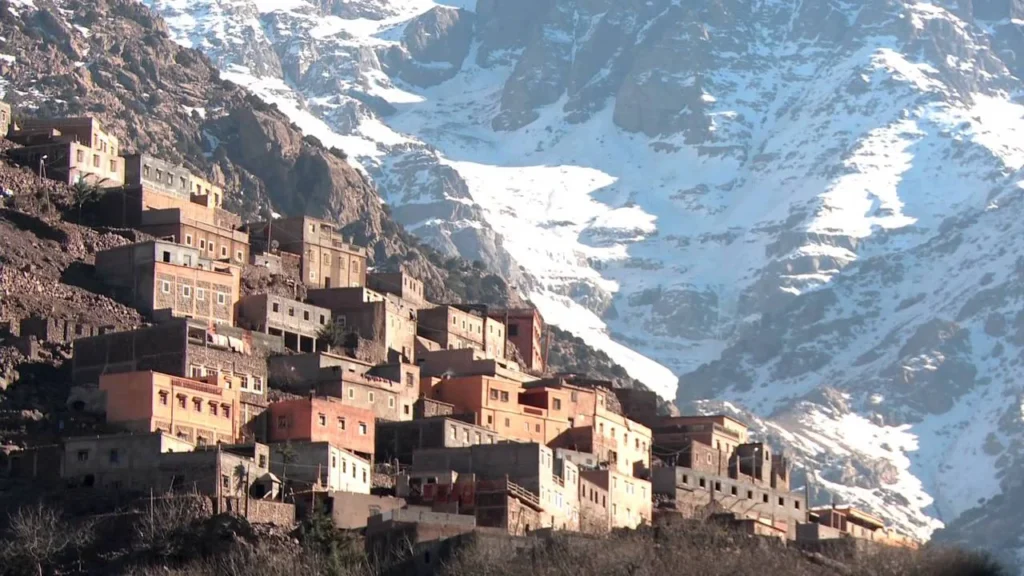
Perched high in the Atlas Mountains like a hidden jewel, Imlil village Morocco, offers something increasingly rare in our connected world: authentic tranquility paired with breathtaking adventure. Just 64 kilometers south of Marrakech’s bustling souks, this Amazigh settlement serves as the gateway to North Africa’s highest peak while maintaining its unhurried mountain charm.
Whether you’re planning to summit Mount Toubkal, seek respite from Marrakech’s summer heat, or simply immerse yourself in traditional Berber culture, Imlil delivers an experience that lingers long after you’ve descended back to sea level. This comprehensive guide will equip you with everything you need to know for visiting this mountain sanctuary in 2026.
The TL;DR Quick Summary Table
| Feature | Details |
|---|---|
| Location | High Atlas Mountains (64km from Marrakech) |
| Elevation | 1,740 meters (5,700 ft) |
| Best Time to Visit | April–June & September–November |
| Taxi Cost (Shared) | Approx. 50–70 MAD ($5–$7) |
| Top Activity | Mount Toubkal Trek / Waterfall Hike |
| Vibe | Quiet, cool mountain air, authentic Amazigh culture |
| ATM Available | No – bring cash from Marrakech |
| Alcohol Availability | Limited to some guesthouses/hotels |
| Guide Necessity | Recommended for summit attempts, optional for day hikes |
Imlil village MoroccoWhy Visit Imlil? (Beyond Just Hiking)
Most travelers discover Imlil hiking trails while researching the Toubkal trek starting point, but reducing this village to a mere base camp does it a profound disservice. Imlil valley unfolds like a living postcard where terraced fields cascade down mountainsides, walnut trees shade stone-paved paths, and the soundtrack is rushing water rather than car horns.
The Sensory Experience
The moment you arrive, the air itself announces you’ve left the city behind. Crisp and pine-scented, each breath at Imlil’s elevation feels restorative. Apple orchards bloom pink and white in spring, while autumn transforms the valley into a patchwork of harvest gold and rust. The village economy still runs on agriculture, walnuts crack underfoot on narrow paths, and you’ll see locals tending terraced vegetable gardens using methods passed down through generations.
The iconic mule trains aren’t just photogenic—they’re the primary transport system. These sure-footed animals navigate stone staircases and precipitous paths with remarkable grace, carrying everything from building supplies to tourist luggage. The rhythmic clip-clop of hooves on stone creates a meditative backdrop to village life.
Imlil for Non-Hikers: Relaxation & Culture
Not everyone visiting the Imlil Atlas Mountains comes for strenuous trekking, and that’s perfectly acceptable. The village offers compelling experiences for those who prefer gentler pursuits:
Cultural Immersion: Several guesthouses organize cooking classes where you’ll learn to prepare tagine using traditional clay pots over charcoal. The communal bread ovens still function daily, wake early to watch locals bring their dough for baking.
Terrace Cafés: Café Soleil and Café Atlas both feature spectacular terraces where you can spend hours nursing mint tea while watching the play of light on distant peaks. These spots become particularly magical during sunset when the mountains glow amber and rose.
Artisan Workshops: Small cooperatives throughout the Imlil Valley showcase traditional Berber carpet weaving and argan oil production. These aren’t tourist traps but genuine working spaces where you can observe centuries-old techniques.
Gentle Walks: The village itself rewards aimless wandering. Narrow alleys reveal hidden gardens, children play in courtyards, and you’ll inevitably be invited for tea by curious locals. The lower valley paths toward Aremd village offer relatively flat walking with continuous mountain views.
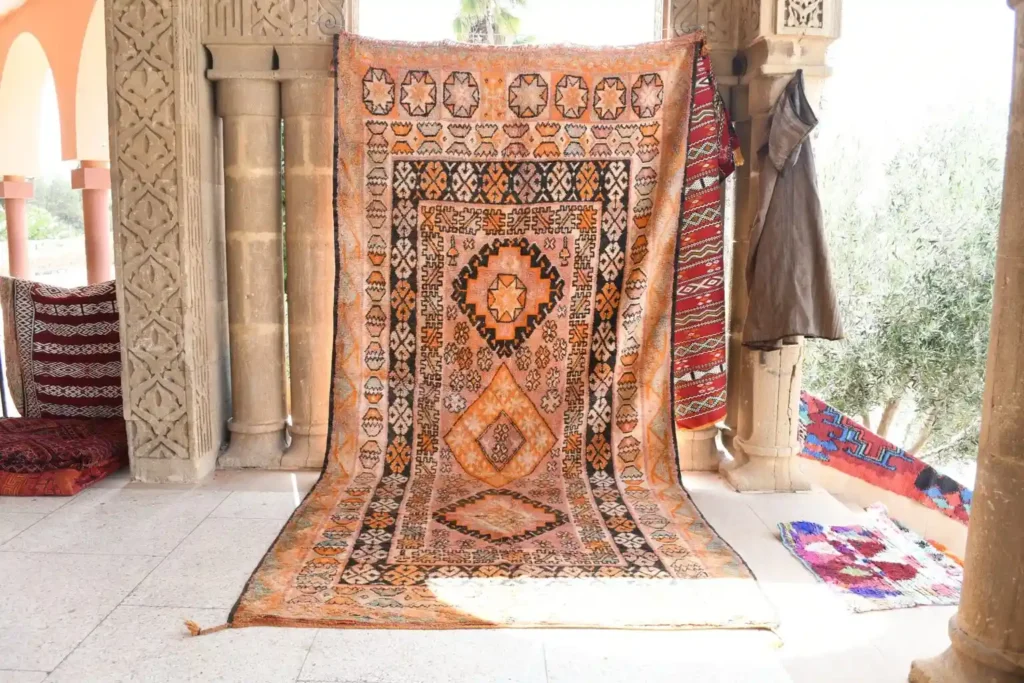
Traditional Berber CarpetGetting From Marrakech to Imlil transport: The Logistics
The journey from Marrakech to Imlil transport represents your transition from urban Morocco to mountain Morocco. While only 64 kilometers separate the two, the experience differs dramatically depending on your chosen method.
Transportation Comparison
| Transport Type | Cost (Per Person) | Duration | Comfort Level | Best For |
|---|---|---|---|---|
| Grand Taxi (Shared) | 50–70 MAD ($5–$7) | 1.5–2 hours | Basic | Budget travelers, solo adventurers |
| Private Taxi | 400–600 MAD ($40–$60) total | 1.5 hours | Good | Small groups, families with luggage |
| Private Transfer | 500–800 MAD ($50–$80) | 1.5 hours | Excellent | Those prioritizing comfort and convenience |
| Rental Car | Variable (plus fuel) | 1.5 hours | You control it | Independent travelers, extended trips |
The Detailed Route
Grand taxis to Imlil depart from near Bab Doukkala in Marrakech, though many hotels can arrange pickup directly. The shared taxi experience is authentically Moroccan; drivers typically wait until all six seats fill before departing, which might mean a delay but also provides entertaining people-watching.
The route itself transitions dramatically. You’ll pass through Tahanaout, a market town where locals shop for weekly supplies, then begin climbing seriously at Asni. The road twists upward through olive groves and eventually pine forests, with hairpin bends revealing increasingly spectacular vistas. Many drivers pull over at a panoramic viewpoint roughly 20 minutes before Imlil. This isn’t just tourist courtesy, it’s genuinely stunning.
The Last Mile: What Blogs Don’t Tell You
Here’s the crucial detail most guides omit: Taxis drop you at the village parking area, but your accommodation likely sits higher up in the village, accessed only by foot or mule. This matters significantly if you’re traveling with large suitcases.
The walk from the parking to the village center involves about 200 meters of gradual uphill on cobblestones, manageable with a daypack, challenging with heavy luggage. Most guesthouses send someone to meet you, and for 20–30 MAD, a muleteer will transport your bags while you walk unburdened. Don’t be proud, accept this service. Watching your suitcase disappear up a stone staircase on muleback while you follow at your own pace is quintessentially Imlil.
Pro tip: If arriving after dark (not recommended), bring a headlamp. The village paths have minimal lighting, and uneven stones become treacherous without proper visibility.
Accommodation: High, Mid, & Low
Choosing where to stay in Imlil village Morocco, significantly shapes your experience. The accommodation scene has evolved dramatically, now offering everything from authentic village houses to boutique mountain retreats.
Best for Luxury & Romance
Kasbah du Toubkal remains the crown jewel, a restored kasbah perched above the village with panoramic Atlas views. Richard Branson stayed here, and it’s easy to understand why. The property combines Moroccan architectural tradition with thoughtful modern comforts, hammam, rooftop terrace dining, and rooms that manage to feel both rustic and refined. Prices run 1,500–3,000 MAD per night, but the experience justifies the investment, especially for couples seeking a memorable retreat.
As Rachid, who manages a smaller guesthouse nearby, explains: “We believe hospitality is about making guests feel they’ve come home to a family they didn’t know they had. In Imlil, you don’t just stay somewhere, you become part of our story for those days.”
Best for Hikers & Budget Travelers
Dar Imlil and Atlas Mazik both cater specifically to trekkers, offering dormitory options (80–120 MAD per bed) alongside private rooms (250–400 MAD). These establishments understand the hiker rhythm, early breakfasts, packed lunches, and gear storage. The communal atmosphere means you’ll swap trail intelligence with fellow adventurers over evening tagine.
Riad Atlas Panorama provides excellent mid-range value with stunning valley views. Rooms run 350–600 MAD and include breakfast featuring homemade bread and mountain honey. The rooftop terrace alone justifies the booking.
Best for Remote Work & Extended Stays
The mountain wifi revolution reached Imlil in 2023. Several properties now advertise reliable internet, making the village viable for digital nomads seeking inspiring surroundings. Toubkal Lodge and Atlas Kasbah Ecolodge both report connection speeds sufficient for video calls, though you should always have backup data plans.
For weekly or monthly stays, ask about apartment rentals in the village. Several families rent entire floors with kitchen facilities for 4,000–6,000 MAD monthly, an extraordinary value for mountain living with a community already in place.
Booking Considerations
Reserve ahead during peak seasons (April–May and September–October). Summer sees fewer crowds despite perfect weather in Imlil, while Marrakech swelters at 40°C, the village maintains comfortable 25–28°C days. Winter (December–February) attracts snow enthusiasts, though expect cold nights and potential trail closures at higher elevations.
Most guesthouses include breakfast and dinner (half-board), which makes sense given the limited independent dining options after dark. The food quality generally impresses, with homemade tagines, fresh salads, and seasonal fruit that actually tastes like fruit.
Hiking Guide: From Gentle Strolls to Summit Attempts
The imlil hiking trails range from afternoon wanders to multi-day alpine expeditions. This section breaks down the primary options, from easiest to most challenging.
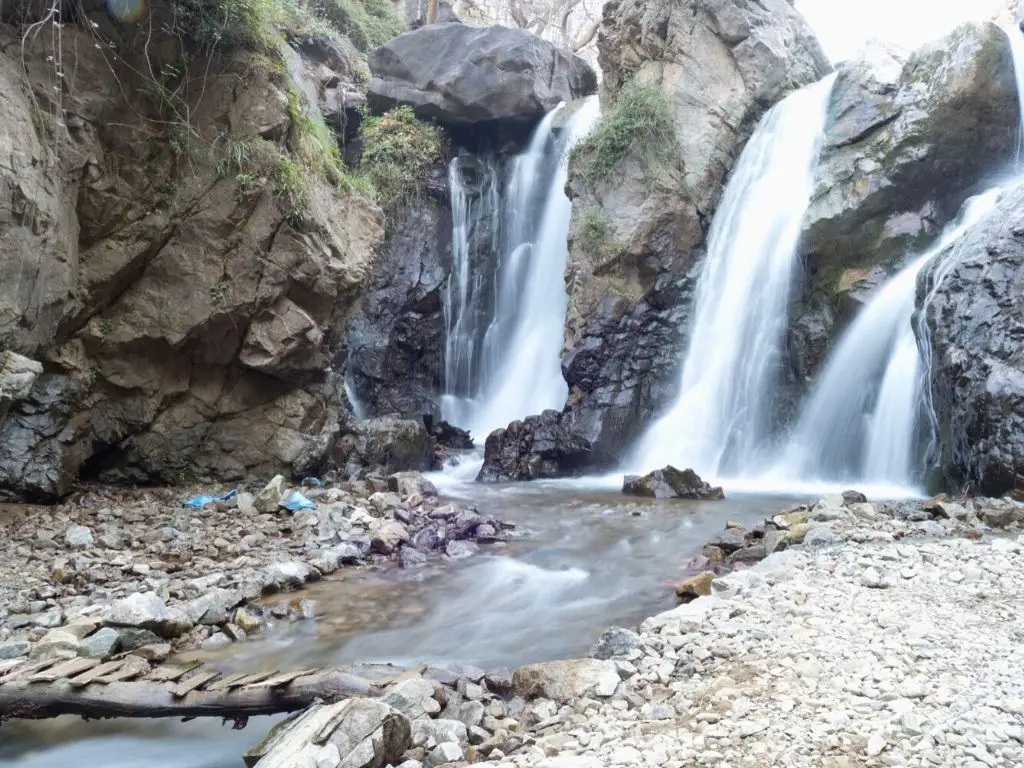
Imlil waterfalls, MoroccoThe Waterfall Walk (Beginner-Friendly)
Duration: 1.5–2 hours round trip
Difficulty: Easy to moderate
Cost: Free (optional guide tip)
What to Expect: This walk represents the perfect introduction to the valley’s beauty without requiring serious fitness. The trail follows the main path toward Aremd village before branching right toward seasonal waterfalls. “Seasonal” is the keyword; spring (March–May) offers the most dramatic flow from snowmelt, while late summer may reduce the falls to a trickle.
The path itself is clear enough that a guide isn’t necessary, though having one enriches the experience. Local guides point out medicinal plants, explain terrace farming techniques, and share village stories. The final section involves some rock hopping, so proper footwear (not flip-flops) matters.
Several small cafés dot the route where mint tea costs 10 MAD and commands views worth ten times that. The waterfall pool is swimmable in summer, though the water stays bracingly cold year-round. Locals sometimes wash rugs here, a striking sight against the rushing water and mountain backdrop.
Tizi Mzik Pass (Intermediate Challenge)
Duration: 4–6 hours
Elevation Gain: Approximately 600 meters
Cost: Guide recommended (300–400 MAD)
What to Expect: This circular trek from Imlil provides outstanding Atlas panoramas without the commitment of summit attempts. You’ll climb through scattered hamlets where agricultural life continues much as it has for centuries, cross the Tizi Mzik pass at 2,489 meters, and loop back via different valleys.
The trail becomes less obvious in places, making a guide valuable. You’ll also pass through areas where asking permission to photograph or simply greeting residents in Tamazight (the Berber language) opens doors, literally, as you might be invited for tea and fresh bread.
Bring layers. Even in summer, the pass can be breezy, and weather changes rapidly in the mountains. The descent passes through Tinerhourhine village, where several families sell cold drinks and simple lunches. Budget three hours for the ascent, two for the descent, plus time for breaks and getting lost in the views.
Mount Toubkal Summit (Serious Undertaking)
Duration: 2 days minimum (can be done in 1 long day by very fit hikers)
Elevation: 4,167 meters (13,671 ft)
Guide Requirement: Officially required for non-locals
Cost: 2-day package typically 1,500–2,500 MAD per person (guide, accommodation, meals)
North Africa’s highest peak draws ambitious hikers from around the world to the Toubkal trek starting point in Imlil. Don’t be fooled by the “non-technical” classification-this remains a serious mountain requiring proper preparation, appropriate gear, and respect for altitude.
Do I Need a Guide for Toubkal?
Yes, officially, you do. Park regulations require accompanied ascents for foreign visitors. Beyond legal requirements, guides provide significant value: route finding in fog or snow, avalanche risk assessment, pacing that helps with acclimatization, and crucially, problem-solving if things go wrong at altitude.
Experienced mountaineers might chafe at this requirement, but regulations aim to prevent the rescue situations that occur several times each season when overconfident hikers underestimate the challenge. The classic route via Refuge du Toubkal isn’t technically difficult in good summer conditions, but loose scree, potential storms, and genuine altitude effects (you’ll be above 4,000 meters) mean having an experienced partner makes sense.
Typical 2-Day Itinerary:
- Day 1: Imlil to Refuge du Toubkal (3,207m) – 4-5 hours hiking. Overnight at the refuge.
- Day 2: Summit attempt starting 4-5 am, reaching the peak by sunrise or mid-morning, then descending all the way back to Imlil – 8-10 hours total.
When to Attempt Toubkal: June through September offers the most reliable weather windows. May and October are possible, but they can still have snow. Winter ascents (December–March) require proper mountaineering equipment, including crampons and ice axes, plus experience using them. The mountain claims lives most years, almost always outside the summer season, when conditions deteriorate.
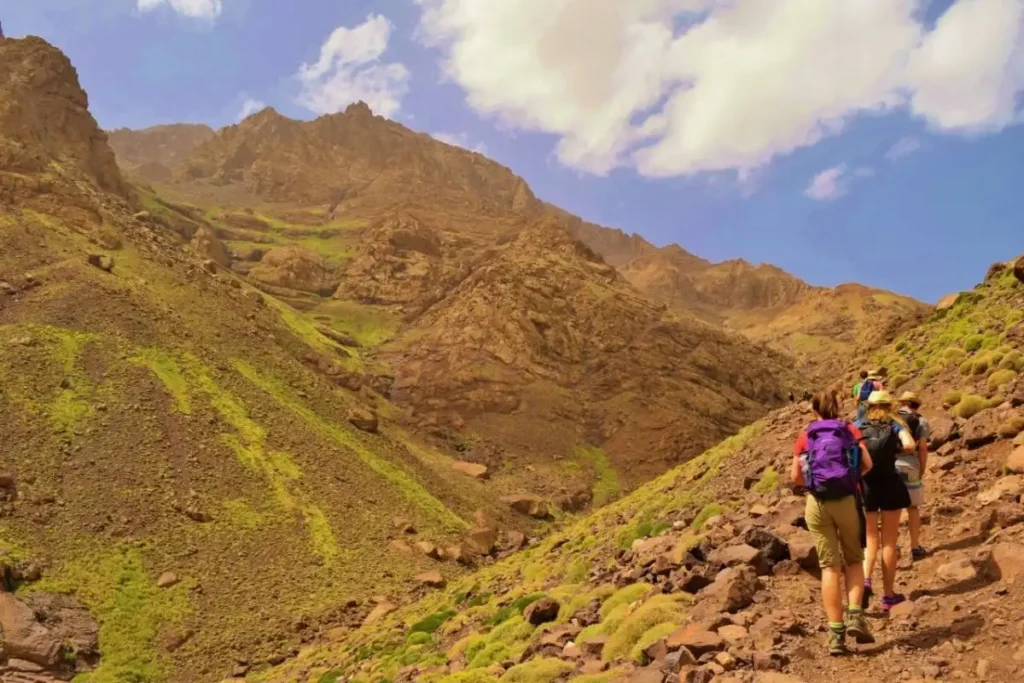
Toubkal trek starting pointOther Notable Trails
The Azzaden Valley trek offers a less-crowded alternative to Toubkal, with similar scenery and altitude but fewer hikers. The Amsouzart Valley provides a gentle multi-day option for those wanting the trekking experience without extreme altitude.
For trail-running enthusiasts, the Refuge to Tizi Oussem loop delivers approximately 20 kilometers with 1,200 meters of climbing, a challenging morning that locals occasionally do casually while checking on summer pastures.
Weather in Imlil: Month-by-Month Breakdown
Understanding the weather in Imlil proves essential for planning, as mountain conditions vary dramatically from Marrakech despite the short distance.
Spring (March–May): Generally ideal. Temperatures range from 12–22°C, with cool mornings and pleasant afternoons. Wildflowers bloom across the valleys, snowmelt swells waterfalls, and Imlil waterfalls look their best. Higher trails may retain snow into April. Occasional rain showers occur, but they’re brief, and the landscape benefits from the moisture.
Summer (June–August): Hot in the sun (25–32°C) but never oppressive like Marrakech. Mornings and evenings stay comfortable (15–20°C). This is statistically the driest season with minimal rainfall. The heat becomes manageable at Imlil’s elevation, making it an excellent escape from lowland summer. Higher altitude hikes remain pleasant while valley temperatures peak.
Autumn (September–November): Peak season for good reason. September rivals May for perfect conditions, warm days (18–25°C), cool nights, and generally stable weather. October sees harvest season in full swing with walnuts, apples, and vegetables being collected. November grows cooler (10–18°C) with first snows possible at higher elevations by month’s end.
Winter (December–February): Cold but beautiful. Daytime temperatures range from 5 to 12°C in the village, dropping below freezing at night. Snow regularly blankets the peaks and sometimes reaches the village itself. Some guesthouses reduce operations or close entirely. This season attracts those seeking snow hikes or winter mountaineering, but casual visitors should consider the cold carefully. The Atlas Mountains in winter offer spectacular photography but require proper gear.
The Golden Rule: Mountain weather changes rapidly. Bring layers even in summer, and always check conditions before committing to higher-altitude hikes. Refuge wardens and local guides provide current trail conditions. Ask before setting out.
Practicalities: The Questions Everyone Wonders About
“Is There an ATM in Imlil?”
No. This matters more than you might expect. The village operates almost entirely on cash. Your guesthouse, meals, guide fees, mule transport, and any purchases must be paid in Moroccan dirhams (MAD). The nearest ATMs are in Asni (30 minutes away) or Marrakech.
What to do: Withdraw sufficient cash before leaving Marrakech. Calculate your accommodation costs, add 500–1,000 MAD for meals, activities, and tips, then add another 20% buffer. Some higher-end properties accept credit cards, but don’t rely on this. If you run short, some guesthouses can arrange a taxi to Asni specifically for banking, though this wastes time and money.
“Is Imlil Dry (Alcohol-Free)?”
Mostly, yes. Morocco is a Muslim country where alcohol isn’t part of daily life, especially in traditional mountain villages. However, the situation in Imlil offers some nuance.
Most family-run guesthouses don’t serve alcohol at all. The higher-end properties (Kasbah du Toubkal, some boutique lodges) stock beer and wine for guests, typically Moroccan brands plus some imports. Prices run higher than you’d pay in Marrakech, expect 40–60 MAD for a beer, 200+ MAD for wine bottles.
The village has no bars or liquor shops. Don’t arrive expecting to purchase alcohol in the village center or ask at random cafés. If drinking wine with dinner matters to your experience, confirm your accommodation’s policy when booking, or consider bringing a bottle from Marrakech (legal in Morocco for personal consumption).
Cultural Sensitivity: If you do drink, keep it discreet. Avoid public intoxication, which would be deeply disrespectful in this conservative community. Many visitors find that their evening mint tea tastes just fine without alcohol anyway, especially after a day in the mountains.
Mobile Coverage & Internet
Coverage from Morocco’s main providers (Maroc Telecom, Inwi, Orange) reaches Imlil village reliably, though the signal weakens on higher trails. 4G works adequately for messaging and basic browsing. Most guesthouses offer wifi, though speeds and reliability vary significantly.
For extended stays or business needs, purchase a local SIM card in Marrakech. Tourist packages run approximately 100 MAD for 10GB, sufficient for a week unless you’re streaming video. The shop at Imlil’s center sells phone credit but not SIM cards.
Food & Dining Options
Your guesthouse likely provides breakfast and dinner (half-board), which simplifies meal planning. Moroccan mountain hospitality means generous portions; breakfast includes fresh bread, jams, honey, olives, cheese, and sometimes eggs. Dinner centers around tagine (chicken, beef, or vegetable), couscous, or occasionally grilled meat, always with salad and fruit.
For independent dining, several simple cafés serve tagine and brochettes during daytime hours. Café Soleil, Café Atlas, and Café Le Paquebot all provide basic but satisfying meals for 50–80 MAD. Don’t expect extensive menus; what’s available depends on what’s fresh that day.
Vegetarians and vegans should communicate dietary needs clearly when booking. Most guesthouses accommodate easily since vegetable tagines and couscous are traditional dishes, not special requests. The village diet relies heavily on fresh produce, making plant-based eating easier than in many destinations.
What to Pack
Essential regardless of season:
- Broken-in hiking boots (not new shoes)
- Layers, including fleece or a light down jacket (mountain mornings are cold)
- Sun protection (hat, sunscreen, sunglasses, alpine sun is intense)
- Headlamp (village paths have minimal lighting)
- Reusable water bottle (refill at guesthouses, avoid plastic waste)
- Basic first aid, including blister treatment and altitude sickness medication if attempting Toubkal
- Cash in Moroccan dirhams
Summer additions: Light long sleeves for sun protection, insect repellent (minimal issue but present)
Winter additions: Warm sleeping bag (guesthouse blankets may not suffice), thermal layers, gloves, wool hat
Health & Safety
Imlil village Morocco, is generally very safe. Violent crime against tourists is virtually unknown. The main risks involve hiking accidents (twisted ankles, altitude sickness, getting lost) rather than theft or harassment.
Altitude considerations: Imlil itself sits at 1,740 meters, which rarely causes problems. However, if attempting Toubkal or other high passes, altitude sickness becomes possible above 3,000 meters. Symptoms include headache, nausea, and dizziness. The solution is simple: descend. Don’t try to push through altitude sickness; it can become life-threatening.
Water: Tap water isn’t potable. Guesthouses provide bottled or filtered drinking water. Many now offer refill stations to reduce plastic waste, bring a reusable bottle, and ask about refilling.
Medical facilities: The village has a small clinic for minor issues. Serious medical situations require a return to Marrakech (1.5 hours). Travel insurance that covers mountain activities and potential helicopter evacuation is essential for Toubkal attempts.
Responsible Travel
The tourism boom has brought prosperity to Imlil but also challenges. Please consider these practices:
- Employ local guides and muleteers rather than bringing guides from elsewhere
- Minimize plastic waste, refuse plastic bags and water bottles when alternatives exist
- Respect privacy, ask before photographing people, especially women
- Dress modestly; this isn’t the beach. Locals appreciate respectful clothing choices
- Support village businesses by purchasing from cooperatives and small shops
- Pack out what you pack in on hikes; litter is an increasing problem on popular trails
The Leave No Trace principles apply fully in this fragile mountain environment. Future visitors deserve the same pristine trails you’re enjoying.
Beyond Imlil: Day Trip Options
While Imlil Valley offers days of exploration, several worthwhile excursions lie within reach.
Setti Fatma: This village in the Ourika Valley (about 90 minutes from Imlil) features seven waterfalls accessible via a steep hike. The valley itself is lush and green, contrasting nicely with Imlil’s more austere beauty. Combine both in a longer Atlas Mountains itinerary.
Kasbah Tamadot: Richard Branson’s luxury hotel near Asni welcomes non-guests for lunch or drinks (reserve ahead). The property showcases stunning design and offers respite if you’re craving creature comforts mid-trek.
Marrakech day trip: Easy to arrange if you need a medina fix, hammam visit, or to replenish supplies. Most visitors do this in reverse (staying in Marrakech and day-tripping to Imlil), but spending nights in the mountains and visiting the city for a day provides a welcome contrast.
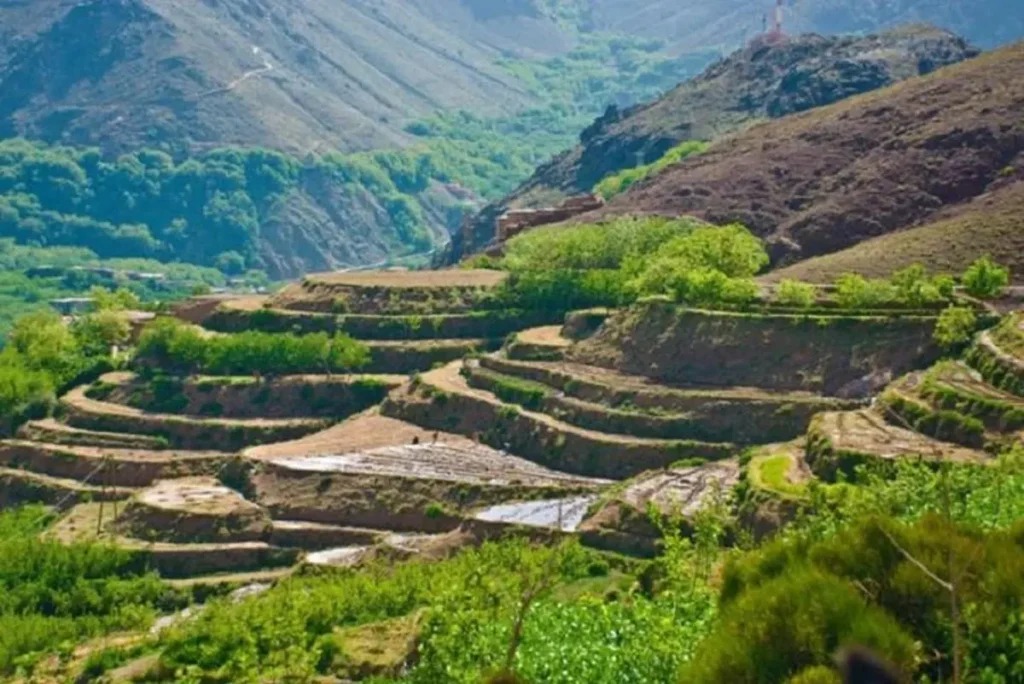
imlil valleyFinal Thoughts: Is Imlil Right for You?
Imlil village Morocco, succeeds because it remains fundamentally itself, a working mountain village that happens to welcome visitors rather than a purpose-built tourist destination. This authenticity comes with trade-offs. You won’t find luxury spas, cocktail bars, or shopping boutiques. The pace is slow, options are limited, and sometimes you’ll smell mule manure while admiring the view.
But if you’re seeking genuine cultural exchange, natural beauty that requires no Instagram filters, and the particular satisfaction of mountain air in your lungs, Imlil delivers experiences increasingly rare in our over-touristed world. The village asks that you meet it on its own terms, slow down to its rhythm, and find contentment in simplicity.
Whether you summit Toubkal, spend days exploring the imlil hiking trails, or simply read on a terrace while sipping mint tea and watching clouds shift across distant peaks, you’ll likely leave understanding why visitors keep returning.
The mountains don’t hurry, and neither should you.
Planning your Morocco adventure? Desert Merzouga Tours specializes in creating personalized journeys that seamlessly combine the Atlas Mountains with Morocco’s other treasures, from Marrakech’s medinas to the Sahara’s dunes. Our professional guides, comfortable transportation, and deep local knowledge ensure your Imlil experience becomes part of a larger Moroccan story. Contact us to design an itinerary that matches your interests, whether that’s summiting Toubkal, exploring Berber culture, or crafting a comprehensive tour across this diverse country.